In the realm of underground mining operations, the efficiency and reliability of equipment are of utmost importance. One such crucial piece of machinery is the underground loading trolley, which plays a vital role in transporting materials within mines. A key component that ensures the smooth operation of these trolleys is the heat dissipation system. As a leading supplier of underground loading trolleys, I am excited to delve into the intricacies of this essential system. Underground Loading Trolley
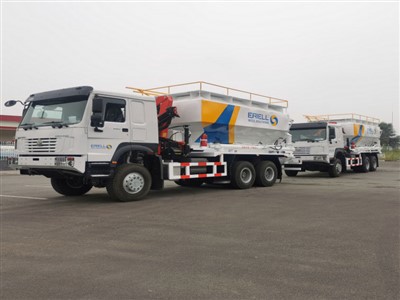
The Importance of Heat Dissipation in Underground Loading Trolleys
Underground loading trolleys are often subjected to harsh operating conditions. They work in confined spaces with limited ventilation, and the continuous operation of their engines, motors, and other components generates a significant amount of heat. If this heat is not properly dissipated, it can lead to a range of problems.
Excessive heat can cause components to overheat, which may result in reduced performance, increased wear and tear, and even premature failure. For example, high temperatures can degrade the lubricating properties of oils, leading to more friction between moving parts. This not only increases energy consumption but also shortens the lifespan of the components. Moreover, overheating can pose a safety risk, as it may lead to malfunctions or even fires in extreme cases.
Components of the Heat Dissipation System
Radiator
The radiator is one of the most critical components of the heat dissipation system in an underground loading trolley. It works on the principle of transferring heat from the coolant to the surrounding air. The coolant, which circulates through the engine to absorb heat, enters the radiator at a high temperature. Inside the radiator, the coolant flows through a series of small tubes surrounded by fins. These fins increase the surface area of the radiator, allowing for more efficient heat transfer.
As the hot coolant passes through the tubes, air is forced through the fins by a fan. This air cools the coolant, which then returns to the engine to absorb more heat. The design of the radiator, including the number and size of the tubes and fins, is carefully optimized to ensure maximum heat dissipation efficiency.
Cooling Fan
The cooling fan plays a crucial role in the heat dissipation process. It is responsible for drawing air through the radiator to enhance the cooling effect. In underground loading trolleys, there are two main types of cooling fans: mechanical fans and electric fans.
Mechanical fans are typically driven by the engine through a belt. They are simple and reliable but may consume a significant amount of engine power, especially at high speeds. Electric fans, on the other hand, are powered by the vehicle’s electrical system. They can be controlled more precisely, allowing for better regulation of the cooling process. Electric fans are often more energy – efficient and can operate independently of the engine speed.
Coolant
The coolant is a liquid that circulates through the engine and the radiator to transfer heat. It is usually a mixture of water and antifreeze, such as ethylene glycol. The antifreeze not only lowers the freezing point of the coolant but also raises its boiling point, allowing it to operate effectively in a wide range of temperatures.
The coolant also contains additives that help prevent corrosion and scale formation within the cooling system. These additives protect the engine and radiator components from damage, ensuring the longevity of the heat dissipation system.
Thermostat
The thermostat is a temperature – sensitive valve that regulates the flow of coolant through the engine and the radiator. It remains closed when the engine is cold, allowing the coolant to circulate only within the engine to warm it up quickly. Once the engine reaches the optimal operating temperature, the thermostat opens, allowing the coolant to flow through the radiator for cooling.
This precise control of the coolant flow helps maintain the engine at a constant temperature, improving performance and fuel efficiency.
Heat Dissipation Strategies for Different Operating Conditions
High – Load Operations
During high – load operations, such as when the underground loading trolley is carrying a heavy load or climbing a steep incline, the engine works harder and generates more heat. To cope with this increased heat load, the heat dissipation system needs to be more efficient.
One strategy is to increase the speed of the cooling fan. This can be achieved by using a variable – speed fan that adjusts its speed based on the temperature of the coolant. Additionally, the radiator may need to be designed with a larger surface area or more efficient fin design to enhance heat transfer.
Low – Ventilation Environments
Underground mines often have poor ventilation, which can make it difficult for the heat dissipation system to work effectively. In such environments, additional measures may be required.
For example, the trolley can be equipped with a ventilation system that draws in fresh air from outside the mine and directs it towards the radiator. This can help improve the cooling efficiency of the radiator. Another approach is to use a more powerful cooling fan or multiple fans to ensure sufficient air circulation through the radiator.
Maintenance and Inspection of the Heat Dissipation System
Regular maintenance and inspection of the heat dissipation system are essential to ensure its proper functioning. Here are some key maintenance tasks:
Coolant Level Check
The coolant level should be checked regularly, and it should be topped up if necessary. Low coolant levels can lead to overheating, as there is not enough coolant to absorb and transfer the heat.
Radiator Cleaning
The radiator fins can become clogged with dirt, dust, and debris over time, reducing their ability to transfer heat. Therefore, the radiator should be cleaned periodically to remove any obstructions. This can be done using compressed air or a gentle stream of water.
Fan and Belt Inspection
The cooling fan and its drive belt (if it is a mechanical fan) should be inspected for wear and damage. A worn – out belt may slip, reducing the fan speed and cooling efficiency. Any damaged or worn components should be replaced promptly.
Thermostat Testing
The thermostat should be tested regularly to ensure that it is functioning correctly. A faulty thermostat can cause the engine to overheat or run too cold, both of which can have a negative impact on performance.
Conclusion
The heat dissipation system is a critical component of an underground loading trolley, ensuring its reliable operation in the harsh conditions of underground mines. By understanding the components, strategies for different operating conditions, and the importance of maintenance, we can optimize the performance and lifespan of these trolleys.

As a supplier of underground loading trolleys, we are committed to providing high – quality products with efficient heat dissipation systems. Our trolleys are designed and manufactured to meet the demanding needs of the mining industry, ensuring maximum productivity and safety.
Underground Loading Trolley If you are in the market for an underground loading trolley or have any questions about our products, we invite you to contact us for a detailed discussion. Our team of experts is ready to assist you in finding the best solution for your mining operations. Let’s work together to enhance the efficiency and reliability of your underground mining activities.
References
- Automotive Cooling System Design and Analysis, SAE International
- Handbook of Mining Engineering, SME Press
- Thermal Management in Heavy – Duty Vehicles, ASME Publications
Shanxi Honghu Special Purpose Vehicle Manufacturing Co., Ltd.
As one of the most professional underground loading trolley manufacturers and suppliers in China, we’re featured by quality products and good price. Please rest assured to buy bulk underground loading trolley in stock here and get pricelist from our factory. Also, custom service is available.
Address: No. 16 Nanhuan West Street, Changzhi Economic and Technological Development Zone, Shanxi Province
E-mail: sxczhh15035590669@163.com
WebSite: https://www.mixedexplosivestruck.com/
