Hey there! As a supplier of chemical packaging bags, I often get asked about the oxygen-barrier property of our products. So, I thought I’d take a few minutes to chat about what it is, why it’s important, and how it affects chemical storage and transportation. Chemical Packaging Bags
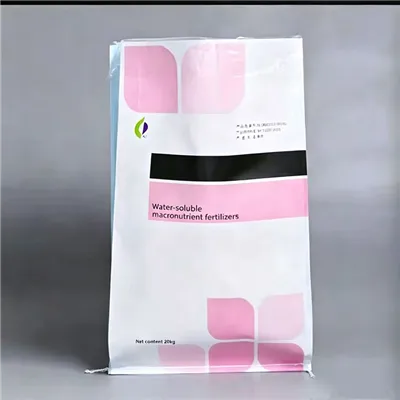
First off, let’s talk about what oxygen-barrier property actually means. Simply put, it refers to a material’s ability to prevent oxygen from passing through it. In the context of chemical packaging bags, this is crucial because many chemicals are sensitive to oxygen. When exposed to oxygen, they can undergo oxidation reactions, which can change their chemical composition, reduce their effectiveness, or even make them dangerous.
For example, some organic chemicals can react with oxygen in the air to form peroxides, which are highly unstable and can explode under certain conditions. Similarly, some metals can corrode when exposed to oxygen and moisture, which can contaminate the chemical inside the bag. So, having a packaging bag with good oxygen-barrier property is like putting a protective shield around your chemicals, keeping them safe from the harmful effects of oxygen.
Now, you might be wondering how we measure the oxygen-barrier property of our chemical packaging bags. Well, there are a few different ways to do it, but one of the most common methods is to use an oxygen transmission rate (OTR) test. This test measures the amount of oxygen that passes through a given area of the packaging material in a specified period of time, usually 24 hours. The lower the OTR value, the better the oxygen-barrier property of the material.
When it comes to our chemical packaging bags, we use a variety of materials to achieve different levels of oxygen-barrier property. Some of the most common materials include polyethylene (PE), polypropylene (PP), and nylon. These materials are known for their good mechanical properties and chemical resistance, but they don’t have very high oxygen-barrier properties on their own. So, to improve the oxygen-barrier, we often use a process called co-extrusion, where we combine multiple layers of different materials to create a composite film.
For example, we might use a layer of nylon, which has a relatively high oxygen-barrier property, sandwiched between two layers of PE or PP. This not only improves the oxygen-barrier property of the bag but also adds strength and durability. Another option is to use a coating on the surface of the bag. There are several types of coatings available, such as aluminum oxide or silicon oxide, which can significantly reduce the OTR of the packaging material.
But it’s not just about the materials and the manufacturing process. The design of the packaging bag also plays a role in its oxygen-barrier property. For instance, a well-sealed bag is essential to prevent oxygen from leaking in. We use advanced sealing techniques, like heat sealing, to ensure that our bags are airtight. Additionally, the shape and size of the bag can affect the oxygen exposure. A larger bag with more surface area will have a higher likelihood of oxygen penetration compared to a smaller one.
Now, let’s talk about why the oxygen-barrier property is so important in the chemical industry. One of the main reasons is product quality. When chemicals are stored or transported in packaging bags with poor oxygen-barrier properties, they can degrade over time, which means they won’t perform as intended. This can lead to a lot of problems for our customers, such as wasted resources, production delays, and even safety issues.
Another reason is safety. As I mentioned earlier, some chemicals can become dangerous when they react with oxygen. By using packaging bags with good oxygen-barrier properties, we can minimize the risk of these reactions occurring and keep our customers and the environment safe.
In addition to product quality and safety, the oxygen-barrier property can also have an impact on cost. If chemicals degrade quickly due to oxygen exposure, our customers will have to replace them more frequently, which can be expensive. On the other hand, using high-quality packaging bags with good oxygen-barrier properties can extend the shelf life of the chemicals, reducing the need for frequent replacements and ultimately saving money.
So, if you’re in the market for chemical packaging bags, I highly recommend paying close attention to the oxygen-barrier property. It might seem like a small detail, but it can make a big difference in the quality, safety, and cost of your chemical products.
At our company, we take pride in offering chemical packaging bags with excellent oxygen-barrier properties. We use the latest materials and manufacturing techniques to ensure that our bags provide the highest level of protection for your chemicals. Whether you need small bags for laboratory use or large bags for industrial applications, we’ve got you covered.
If you’re interested in learning more about our chemical packaging bags or have any questions about the oxygen-barrier property, don’t hesitate to get in touch. We’d love to have a chat with you and help you find the right packaging solution for your needs. Just reach out to us, and we’ll be happy to discuss your requirements and provide you with a quote. Let’s work together to keep your chemicals safe and secure!
Printed Food Bags References:
- Packaging Technology: Principles and Practice, Second Edition by Wilmer A. Jenkins and James P. Harrington
- Handbook of Plastic Films by Sachin S. Deshpande
Liaoning Xunlian Packaging Products Co., Ltd.
Liaoning Xunlian Packaging Products Co., Ltd. is one of the most professional chemical packaging bags manufacturers and suppliers in China, featured by quality products and good service. Welcome to wholesale CE approved chemical packaging bags made in China here and get quotation from our factory. Customized orders are welcome.
Address: Chaoyang Industrial Park, Kangping, Shenyang, Liaoning, China.
E-mail: info@xunlianpack.com
WebSite: https://www.xunlianpack.com/
