PP cross weaving fabric, also known as polypropylene cross woven fabric, is a widely used material due to its durability, lightweight nature, and relatively low cost. It is commonly used in products such as bags, tarpaulins, and banners. As a supplier of PP cross weaving fabric, I often receive questions on how to dye this type of fabric effectively. In this blog post, I’ll share some insights and step – by – step guides on the dyeing process. PP Cross Weaving Fabric
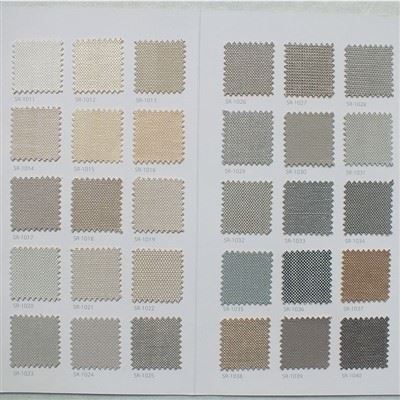
Understanding PP Cross Weaving Fabric
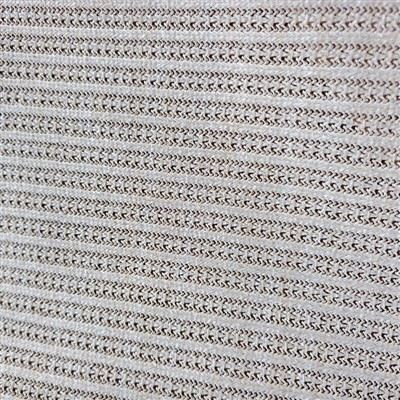
Before delving into the dyeing process, it’s crucial to understand the characteristics of PP cross weaving fabric. Polypropylene is a synthetic polymer that is inherently hydrophobic, which means it does not absorb water easily. This property makes it more challenging to dye compared to natural fibers like cotton or wool. The cross – weaving structure also affects the dye penetration; the interlacing threads can create areas where the dye may not reach evenly.
Pre – dyeing Preparation
- Fabric Selection
First and foremost, choose the right quality of PP cross weaving fabric. The fabric should be free from any dirt, oils, or residues as these can hinder the dyeing process. We ensure that the fabric we supply is of high – quality and clean, but it’s still a good practice to give it a thorough rinse before dyeing. You can soak the fabric in a mild detergent solution for about 15 – 20 minutes, then rinse it with clean water until the water runs clear. - Dye Selection
Selecting the appropriate dye is vital. For PP cross weaving fabric, disperse dyes are often the best choice. Disperse dyes are designed to work with synthetic fibers like polypropylene. They have small molecules that can penetrate the fiber structure at high temperatures. When choosing a disperse dye, consider the colorfastness requirements of your final product. Some disperse dyes offer better color retention under different conditions such as sunlight exposure and washing. - Equipment Preparation
You will need some essential equipment for the dyeing process. A large stainless – steel or enamel pot is ideal for heating the dye bath. Avoid using aluminum pots as they can react with the dye. You’ll also need a stirring rod, thermometer, and protective gloves. Make sure all the equipment is clean and free from any contaminants that could affect the dyeing process.
The Dyeing Process
- Pre – wetting the Fabric
Although polypropylene is hydrophobic, pre – wetting the fabric can help the dye penetrate more evenly. Dip the fabric in a warm water bath for about 10 minutes. This step also helps to remove any air bubbles trapped in the fabric, which could prevent the dye from reaching all parts of the fibers. - Preparing the Dye Bath
Fill the pot with enough water to fully submerge the fabric. The amount of water depends on the size of the fabric. Heat the water to around 40 – 50°C. Add the disperse dye to the water according to the manufacturer’s instructions. Stir the dye bath thoroughly to ensure the dye is completely dissolved. You can also add a dye carrier at this stage. A dye carrier helps to open up the fiber structure of the polypropylene, allowing the dye to penetrate more easily. - Dyeing the Fabric
Carefully place the pre – wet fabric into the dye bath. Make sure the fabric is fully submerged and there are no folds or creases that could prevent the dye from reaching all areas. Start stirring the fabric gently but continuously. This helps to ensure even dye distribution.
Gradually increase the temperature of the dye bath to around 120 – 130°C. This high temperature is necessary for the disperse dye to bond with the polypropylene fibers effectively. To maintain the high temperature, you may need to use a pressure cooker or a specialized dyeing machine. Keep the fabric in the dye bath at this high temperature for about 30 – 60 minutes, depending on the desired color intensity. - Cooling and Rinsing
After the dyeing time is up, turn off the heat and allow the dye bath to cool down slowly. This helps to prevent the dye from bleeding. Once the dye bath has cooled to a safe temperature, remove the fabric and rinse it under running water. Start with cool water and gradually increase the temperature to lukewarm. Keep rinsing until the water runs clear, indicating that excess dye has been removed. - Finishing
To improve the colorfastness of the dyed fabric, you can treat it with a fixing agent. Follow the instructions on the fixing agent product carefully. After treatment, rinse the fabric again to remove any residual fixing agent. Then, dry the fabric in a well – ventilated area, away from direct sunlight, which can cause the color to fade.
Troubleshooting
- Uneven Dyeing
Uneven dyeing can occur due to several reasons. One common cause is improper stirring during the dyeing process. Make sure to stir the fabric gently and continuously throughout the dyeing process. Another reason could be the presence of folds or creases in the fabric. Ensure that the fabric is fully spread out in the dye bath. - Poor Colorfastness
If the color fades easily after washing or exposure to sunlight, it might be due to the use of low – quality dyes or improper dyeing conditions. Make sure to choose high – quality disperse dyes with good colorfastness ratings. Also, follow the correct temperature and time guidelines during the dyeing process. Additionally, using a fixing agent can significantly improve colorfastness. - Dye Residue
If there is dye residue on the fabric after rinsing, it could be because the dye was not fully dissolved in the dye bath. Make sure to stir the dye thoroughly when preparing the dye bath. You can also try re – rinsing the fabric with a mild detergent solution to remove the residue.
Tips for Success
- Test First
Before dyeing a large batch of fabric, it’s always a good idea to do a small test sample. This allows you to adjust the dyeing process according to your desired results, such as color intensity and colorfastness. - Follow Safety Precautions
Dyeing involves the use of chemicals and high temperatures. Wear protective gloves and avoid inhaling the fumes from the dye bath. Work in a well – ventilated area to ensure your safety. - Document the Process
Keep a record of the dyeing process, including the type of dye used, the dyeing temperature, time, and the amount of dye and other additives. This will help you reproduce the same results in the future.
Textilene Fabrics As a PP cross weaving fabric supplier, we are committed to providing high – quality fabric and useful information to our customers. If you are planning to dye PP cross weaving fabric for your products and need more guidance, or if you are interested in purchasing our fabric, please feel free to get in touch with us for further discussion. We are here to assist you in achieving the best results with your dyeing projects.
References
- "Textile Dyeing and Finishing" by Lewis, M.
- Journal of Applied Polymer Science – various articles on dyeing of synthetic fibers.
- "Handbook of Textile Science and Technology: Fibers, Yarns, Fabrics, and Nonwovens" edited by Hargrave, D.
Nanping Kingway New Material Co., Ltd.
As one of the most professional pp cross weaving fabric manufacturers and suppliers in China, we also support customized service. With abundant experience, we warmly welcome you to wholesale durable pp cross weaving fabric in stock here from our factory. If you have any enquiry about pricelist, please feel free to email us.
Address: No. 10, Chengnan Branch Road, Chengjiao Town, Nanping, Fujian, China.
E-mail: npjwxcl@aliyun.com
WebSite: https://www.suernew.com/
