Yo, what’s up, printing enthusiasts! I’m a supplier in the Printing Press Machinery game, and today we’re gonna dig deep into the printing speed limits of different printing press machinery. It’s a topic that’s super important for anyone in the business, whether you’re running a small print shop or a big commercial printing facility. So, let’s get right into it. Printing Press Machinery
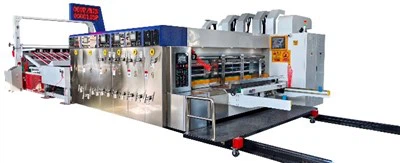
Offset Printing Presses
First up, we’ve got offset printing presses. These bad boys have been around for ages and are still one of the most popular types of printing machinery out there. Offset presses work by transferring an image from a plate to a rubber blanket and then onto the printing surface.
The printing speed of offset presses can vary a whole lot depending on the model and the type of job. For small – mid range offset presses, you’re looking at speeds of around 6,000 to 10,000 sheets per hour. These are great for small – scale jobs like business cards, flyers, and small brochures.
On the other hand, large – format commercial offset presses can really churn out the prints. Some of the high – end models can reach speeds of up to 18,000 to 20,000 sheets per hour. That’s a crazy amount of printing power! But keep in mind, the actual speed you’ll get also depends on things like the paper size, the complexity of the print job (like how many colors are involved), and the drying time of the ink.
For example, if you’re printing a full – color, multi – page brochure on thick paper, the press might need to run a bit slower to ensure that the ink dries properly and the colors register correctly. Otherwise, you could end up with smudged prints or colors that don’t line up right.
Digital Printing Presses
Next, let’s talk about digital printing presses. These machines have revolutionized the printing industry in the past few decades. Unlike offset presses, digital presses print directly onto the printing surface without the need for plates.
Digital presses are known for their flexibility and speed, especially when it comes to short – run jobs. Small – to – medium – sized digital presses can typically print around 100 to 300 A4 pages per minute. That’s pretty fast for jobs where you don’t need a huge volume, like personalized invitations, short – run books, or variable – data printing.
The high – speed digital presses, though, are something else. Some of the top – of – the – line industrial digital presses can print up to 1,000 A4 pages per minute or more. These are used for large – scale commercial jobs like catalogs, magazines, and direct mail campaigns.
One of the things that affects the printing speed of digital presses is the resolution of the print. Higher resolution prints usually take longer because the printer has to place more dots of ink or toner on the page. So, if you’re in a hurry and don’t need super – high – quality prints, you can lower the resolution a bit to speed things up.
Screen Printing Presses
Screen printing is a different beast altogether. It’s a method where ink is forced through a mesh screen onto the printing surface. Screen printing is great for printing on all sorts of materials, like t – shirts, posters, and even glass.
The printing speed of screen printing presses is generally much slower compared to offset and digital presses. A manual screen printing press, which is often used for small – scale jobs or in hobbyist settings, might allow you to print around 30 to 50 pieces per hour. This is because each print requires the operator to manually position the screen, apply the ink, and then remove the printed item.
Semi – automatic and automatic screen printing presses can do better. Semi – automatic presses can print around 100 to 200 pieces per hour, while automatic presses can reach speeds of up to 500 to 600 pieces per hour. However, these speeds can vary depending on the size of the print area, the type of ink, and the complexity of the design. For example, a multi – color screen print will take longer than a single – color print because you have to change the screens and colors for each pass.
Flexographic Printing Presses
Flexographic printing presses are commonly used for printing on flexible materials like plastic, paperboard, and corrugated cardboard. These presses use flexible printing plates and a rotating cylinder to apply the ink to the printing surface.
The printing speed of flexographic presses can be quite high. Small – scale flexo presses can print at speeds of around 300 to 500 feet per minute. These are often used for packaging and label printing jobs in smaller operations.
Large – industrial flexo presses, though, are really fast. Some of the high – end models can print at speeds of up to 1,500 to 2,000 feet per minute. That’s a whole lot of material being printed in a short amount of time! But, just like the other types of presses, factors like the print quality, the type of ink, and the material being printed can affect the actual speed.
Factors Affecting Printing Speed
Now that we’ve talked about the speed limits of different printing press machinery, let’s quickly go over some of the factors that can affect the printing speed in general.
- Machine Quality and Maintenance: A well – maintained, high – quality machine will usually run faster and more efficiently than an old or poorly maintained one. Regular maintenance, like cleaning the print heads, replacing worn – out parts, and calibrating the machine, can keep it running at its best.
- Ink and Paper Type: Different inks and papers have different properties. For example, some inks dry faster than others, which can allow the press to run at a higher speed. Similarly, smooth papers might allow for faster printing compared to rough or textured papers.
- Print Job Complexity: As I mentioned earlier, more complex print jobs, like those with multiple colors, high – resolution images, or special effects, will generally take longer to print than simple one – color jobs.
Making the Right Choice
If you’re in the market for a printing press, it’s important to consider your specific needs. If you mostly do short – run, personalized jobs, a digital press might be the way to go. The flexibility and relatively fast speed for small volumes make it a great option.
For large – volume, high – quality jobs like magazines and catalogs, an offset press could be your best bet. And if you’re printing on flexible materials or doing packaging work, a flexographic press would be more suitable.
Let’s Chat!

So, there you have it, a rundown of the printing speed limits of different printing press machinery. I hope this has been helpful for you in understanding what each type of press can do.
Water Ink Carton Printing Machine If you’re thinking about upgrading your printing equipment or getting a new press, I’d love to have a chat with you. Every business is unique, and I can help you figure out which printing press machinery would be the best fit for your operation. Whether you have questions about speed, quality, or cost, I’m here to assist. Just reach out, and we can start a conversation about your printing needs.
References
- "Handbook of Printing Technologies" by Helmut Kipphan
- "Principles of Printing Technology" by R. T. Duffy
- Industry reports from leading printing press manufacturers
Guangzhou HS Machinery Co., Ltd.
We’re well-known as one of the leading printing press machinery manufacturers and suppliers in China. Please feel free to buy cheap printing press machinery for sale here from our factory. Quality products and low price are available.
Address: Xiaowu 1st Industrial Area, Xiaowu Village, Dongchong Town, Nansha, Guangzhou, China
E-mail: vipmachinery@126.com
WebSite: https://www.cartonboxsolutions.com/
