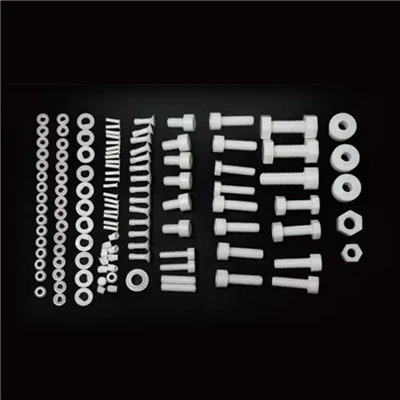
As a dedicated supplier of photovoltaic equipment ceramics, I’ve witnessed firsthand how these remarkable materials play a crucial role in the solar energy industry. Photovoltaic equipment ceramics are used in various components, such as insulators, substrates, and heat sinks, which are integral to the efficient operation of solar panels. However, one of the most significant challenges we face is ensuring that these ceramics can adapt to and perform optimally in different climates around the world. Photovoltaic Equipment Ceramics
Understanding the Impact of Climate on Photovoltaic Equipment Ceramics
Climate encompasses a wide range of factors, including temperature, humidity, precipitation, and solar radiation. Each of these elements can have a profound impact on the performance and durability of photovoltaic equipment ceramics.
Temperature
Extreme temperatures, both hot and cold, pose unique challenges to ceramics. In hot climates, high temperatures can cause thermal expansion, which may lead to cracking or deformation of the ceramic components. Conversely, in cold climates, rapid temperature changes can induce thermal shock, which can also cause fractures. To mitigate these issues, our company has developed advanced ceramic formulations that can withstand a wide temperature range. For example, we use special additives to improve the thermal stability of the ceramics, allowing them to maintain their structural integrity even under extreme heat. Additionally, our manufacturing processes are carefully controlled to ensure a homogeneous microstructure, which helps to reduce the risk of thermal stress-induced failures.
Humidity and Precipitation
Humidity and precipitation can also affect the performance of photovoltaic equipment ceramics. High humidity levels can lead to the formation of moisture on the surface of the ceramics, which can cause corrosion or electrical leakage. In areas with heavy rainfall or snow, the constant exposure to water can also deteriorate the ceramics over time. To address these concerns, we apply protective coatings to our ceramics to prevent moisture penetration. These coatings not only provide a barrier against water but also offer resistance to chemical corrosion, ensuring the long-term reliability of the components.
Solar Radiation
Solar radiation is a double – edged sword for photovoltaic equipment ceramics. On one hand, it is the primary energy source for solar panels, but on the other hand, prolonged exposure to high – intensity sunlight can cause damage to the ceramics. Ultraviolet (UV) radiation, in particular, can break down the molecular structure of the ceramics, leading to discoloration, embrittlement, and reduced mechanical strength. To combat the effects of solar radiation, we incorporate UV stabilizers into our ceramic formulations. These additives absorb and dissipate the UV energy, protecting the ceramics from degradation and maintaining their performance over the lifetime of the solar panels.
Adaptation Strategies for Different Climates
Tropical and Sub – tropical Climates
In tropical and sub – tropical climates, the combination of high temperatures, high humidity, and intense solar radiation is a major challenge. To adapt to these conditions, our ceramics are designed with high thermal conductivity to dissipate heat effectively. We use cooling fins and heat sinks made of high – performance ceramics to keep the solar panel components from overheating. Additionally, the protective coatings on our ceramics are formulated to withstand the corrosive effects of saltwater and humidity in coastal areas. These coatings are also resistant to microbial growth, which can be a problem in warm and humid environments.
Arid and Desert Climates
Arid and desert climates are characterized by high temperatures during the day and large temperature fluctuations between day and night. Dust and sandstorms are also common in these regions, which can abrade the surface of the ceramics and cause damage. To adapt to these conditions, we develop ceramics with high hardness and wear resistance. Our products are designed to be dust – and sand – proof, with smooth surfaces that prevent the accumulation of dust particles. We also use advanced packaging and sealing techniques to protect the ceramic components from the harsh desert environment.
Temperate Climates
In temperate climates, where the temperature and humidity are relatively moderate, the main concern is the seasonal temperature changes. During the winter months, the cold can cause the ceramics to contract, and in the summer, they expand. To address this issue, our ceramics are engineered to have a low coefficient of thermal expansion. This property allows the components to withstand the temperature variations without undergoing significant structural changes, ensuring long – term reliability.
Polar and Cold Climates
Polar and cold climates present challenges due to extremely low temperatures and the presence of snow and ice. Our ceramics are designed to have excellent cold resistance. We use materials that remain ductile even at very low temperatures to prevent cracking due to brittleness. Special insulation materials are also incorporated into the ceramic structures to protect the electrical components from the cold and to maintain their operating efficiency.
Quality Assurance and Testing
To ensure that our photovoltaic equipment ceramics can adapt to different climates, we have a rigorous quality assurance and testing program in place. We conduct a series of laboratory tests, including thermal cycling tests, humidity tests, UV exposure tests, and abrasion tests. These tests simulate the real – world conditions that the ceramics will encounter in different climates. For example, in the thermal cycling test, the ceramics are subjected to repeated cycles of heating and cooling to evaluate their ability to withstand thermal stress. In the humidity test, the samples are exposed to high humidity levels for an extended period to check for any signs of corrosion or electrical leakage.
In addition to laboratory tests, we also carry out field trials in different climates around the world. We install our ceramics in real – world solar panel installations and monitor their performance over time. This hands – on approach allows us to gather valuable data on how the ceramics perform under actual operating conditions and make any necessary improvements to our products.
The Future of Photovoltaic Equipment Ceramics in Adapting to Climates
As the demand for solar energy continues to grow, the need for photovoltaic equipment ceramics that can adapt to diverse climates will become even more critical. We are constantly researching and developing new materials and manufacturing processes to improve the performance and durability of our products. For example, we are exploring the use of nanocomposites to enhance the mechanical and thermal properties of the ceramics. Nanocomposites can provide better resistance to wear, corrosion, and thermal stress, making them ideal for use in harsh climate conditions.
We are also looking into the development of smart ceramics that can self – adapt to changing environmental conditions. These smart ceramics could adjust their properties, such as thermal conductivity or electrical resistance, in response to changes in temperature, humidity, or solar radiation. This would not only improve the efficiency of the solar panels but also extend their lifespan.
Contact Us for Quality Photovoltaic Equipment Ceramics
If you are in the market for high – quality photovoltaic equipment ceramics that can adapt to different climates, look no further. Our company has the expertise and experience to provide you with the best ceramic solutions for your solar energy projects. Whether you are operating in a tropical rainforest, a desert, or a cold polar region, our products are designed to meet your needs.
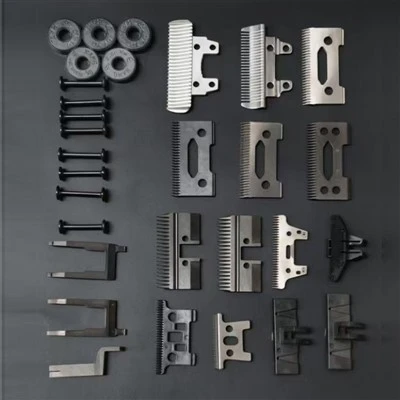
Ceramic Parts We understand that every project is unique, and we are committed to working closely with you to develop customized ceramic solutions. Our team of experts is always available to answer your questions and provide technical support. If you are interested in our products or would like to discuss a potential partnership, please feel free to contact us. We look forward to the opportunity to collaborate with you and contribute to the success of your solar energy endeavors.
References
- Chen, X., & Li, Y. (2019). "Thermal properties of advanced ceramics for photovoltaic applications." Journal of Materials Science and Technology.
- Zhang, H., & Wang, J. (2020). "Effect of environmental factors on the durability of photovoltaic ceramic components." International Journal of Solar Energy.
- Liu, Z., & Hu, S. (2021). "Development of high – performance ceramics for solar panel applications in harsh climates." Ceramics International.
Haining Yifeng Ceramic Technology Co., Ltd.
We are one of the most experienced photovoltaic equipment ceramics manufacturers and suppliers in China, also support customized service. Welcome to buy high quality photovoltaic equipment ceramics made in China here and get pricelist from our factory. For price consultation, contact us.
Address: No. 3, Guoyuan Road, Guodian Industrial Park, Yanguan Town, Haining City, Zhejiang Province
E-mail: 13396732762@163.com
WebSite: https://www.yifengcer.com/
