If you’re a restaurant owner, grocery store operator, or anyone in the food service and retail space who’s ever had to replace a broken commercial refrigeration unit, you know how high the stakes are. Breakdowns don’t just mean spoiled inventory—they mean lost revenue, frustrated customers, and a scramble to get equipment running again before you lose more. Over the 12 years I’ve run my commercial refrigeration supply business, one of the most common questions I hear isn’t “What size unit do I need?” or “Which brand is most reliable?” It’s “How am I going to afford this?” For years, customers assumed they had to pay out of pocket to buy new equipment, but that’s no longer the case. There are tons of financing options tailored specifically for commercial refrigeration purchases, and I’ve seen more businesses than I can count keep their operations on track without draining their working capital. Let me walk through what those options are, how they work, and what to consider before you choose one. Commercial Refrigeration Unit
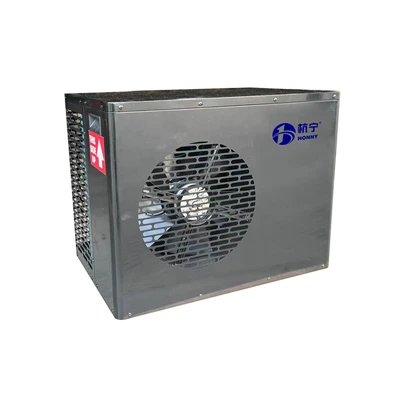
First, it’s important to understand that commercial refrigeration is a special type of investment, not just a one-time purchase. A good unit can last 15 to 20 years, and energy-efficient models can cut your utility bills by hundreds, if not thousands, of dollars a year. That means lenders and financing providers see this as a low-risk investment too, which is why there are so many flexible options available. Let’s start with the most straightforward one: equipment financing, also called chattel financing. This is similar to a car loan, where the refrigeration unit itself acts as collateral for the loan. You don’t need to put up your business building or other assets to secure it—just the unit you’re buying. The terms usually range from two to seven years, and you’ll make monthly payments, with the interest rate based on your business’s credit score, time in operation, and cash flow.
I remember a customer named Maria who owns a small neighborhood grocery store in Cleveland. Her old walk-in cooler died in the middle of a Saturday rush right before holiday weekend, and she had to toss over $8,000 worth of meat, produce, and dairy. She had a good credit score, but she didn’t want to write a $20,000 check from her business account that would have left her short on cash to restock. We connected her to an equipment financing partner, and she was approved in 48 hours. Her monthly payment was less than $400, which was actually less than the extra cost she was paying in higher utility bills from her inefficient old unit. That’s the thing about equipment financing for refrigeration: it’s not just a way to spread out costs—it’s often a way to improve your bottom line right away. Maria ended up using the energy savings to hire a part-time restocker, which helped her keep up with customer demand after she replaced her cooler.
Another popular option is a business line of credit. This is a revolving credit account that works like a credit card, but with much higher limits and lower interest rates, specifically for business expenses. If you only need to purchase a smaller unit—like a display case for your café or a under-counter fridge for a bar—a line of credit can be perfect because you only borrow what you need, when you need it, and you pay interest only on the amount you use. For larger purchases, it’s a good backup if you need extra funds to cover installation, permits, or even unexpected costs that come up while getting your new refrigeration unit set up. A customer of mine who owns a chain of five coffee shops used a line of credit to buy 12 new display cases last year. He didn’t want to tie up his equipment financing limit for such a large purchase, and the line of credit had a variable interest rate that was lower than many credit cards. He paid it off in 18 months, and the increased sales from the new, brighter display cases more than covered the monthly payments.
If your business is new, or your credit isn’t where you want it to be, you might consider a secured business loan or even a personal guarantee loan. For newer businesses that have only been around for a year or two, lenders sometimes require a personal guarantee, which means you agree to pay back the loan personally if your business can’t. This is common because new businesses don’t have a long track record of cash flow to prove they’ll make payments. I’ve worked with many new restaurant owners who used this option when they opened their doors. One client, a couple who opened a farm-to-table restaurant in Austin, had a great business plan but only six months of operation when they needed to buy their commercial refrigeration. They signed a personal guarantee and were approved for a five-year loan with a fixed interest rate that stayed the same for the entire term, which made budgeting easy for them. They were able to deduct the interest from their taxes too, which is a big benefit for small business owners.
Speaking of tax benefits, that’s a point I always bring up when talking about financing: Section 179 of the U.S. tax code lets you deduct the full purchase price of qualifying equipment (including commercial refrigeration) in the year you buy it, instead of depreciating it over several years. That means if you buy a $25,000 refrigeration unit and finance it, you can still deduct the full $25,000 from your taxable income that year, even though you’re making monthly payments. For many businesses, that deduction offsets the cost of financing, making it even more affordable. I always advise my customers to talk to their accountant about how Section 179 applies to their purchase, because it can make a big difference in their overall tax liability.
There are also specialized financing programs for businesses that want to upgrade to energy-efficient refrigeration units. More and more utility companies and government agencies offer grants, rebates, or low-interest loans for businesses that invest in energy-saving equipment. For example, a grocery store owner I worked with in Chicago qualified for a $5,000 rebate from their local power company when they replaced their old, outdated coolers with new Energy Star-certified units. They also got a low-interest loan with a rate 2% lower than standard equipment financing, which saved them over $1,200 in interest over the life of the loan. These programs are often underused, but they’re a great way to lower the total cost of your purchase. I keep a running list of these programs for my customers in different states, and I help them apply for the rebates and loans because I know how much they can save.
Leasing is another option that’s worth considering, especially if you want to upgrade your refrigeration unit every few years or if you prefer lower monthly payments. There are two main types of leases: operating leases and capital leases. An operating lease works like a long-term rental. You make monthly payments for a set period (usually three to five years), and at the end of the lease, you can return the unit, renew the lease, or buy it for a pre-determined price. This is perfect if you want to always have the latest, most energy-efficient models, or if you don’t want to deal with the hassle of disposing of an old unit when you’re done. A capital lease is more like a rent-to-own arrangement. You make payments during the lease term, and at the end, you own the unit outright. Capital leases often have lower monthly payments than a standard loan, and they can also qualify for tax benefits. I had a customer who owns a chain of convenience stores that used operating leases for all their display cases. They upgrade them every four years, so they never have to worry about broken parts or outdated models, and the monthly payments are predictable, which makes their budgeting simple.
Now, I know what some of you are thinking: “I’ve heard horror stories about financing for business equipment—high interest rates, hidden fees, predatory lenders.” That’s why it’s so important to work with a reputable provider, especially one that understands commercial refrigeration and the unique needs of food service and retail businesses. I’ve seen too many customers get stuck with financing that has high prepayment penalties, hidden administrative fees, or interest rates that are way higher than they were quoted. That’s why when I help customers, I only connect them with partners that specialize in commercial equipment financing, not general consumer lenders. These partners understand that a refrigeration unit isn’t a luxury—it’s a core part of your business. They offer flexible terms, no hidden fees, and work with you to create a payment plan that fits your cash flow.
There are a few key things to keep in mind before you apply for financing, no matter which option you choose. First, calculate your total budget, not just the monthly payment. Look at the interest rate, any fees (application fees, origination fees, prepayment penalties), and the total amount you’ll pay over the life of the loan or lease. A lower monthly payment might seem good, but if you’re paying interest for seven years instead of five, you could end up paying thousands more total. Second, check your credit score. Even if you don’t have perfect credit, there are financing options available, but knowing your score will help you understand what rates you can qualify for. I always advise customers to pull their business credit report a few months before applying for financing, so they can fix any errors that might be dragging their score down. Third, factor in additional costs: installation, delivery, permits, and maintenance. Many financing providers will let you include these costs in the total amount you borrow, so you don’t have to come up with extra money upfront.
Let me circle back to that story about Maria, the grocery store owner in Cleveland. She used equipment financing, but she also qualified for a utility rebate, which covered 10% of the cost of her new cooler. She worked with her accountant to make sure she took the full Section 179 deduction that year, which meant her tax bill was lower by over $6,000. She paid off her loan two years early, because the energy savings from her new unit were more than enough to cover the monthly payments. Last time I talked to her, she said she’d actually expanded her store because she saved so much money on utilities. That’s the thing about investing in commercial refrigeration—when you do it the right way, with the right financing, it’s not just a fix for a broken piece of equipment. It’s an investment that helps your business grow.
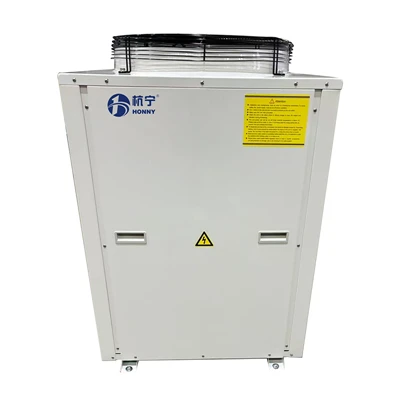
I know that buying new commercial refrigeration can feel overwhelming, especially when you’re juggling all the other parts of running a business. But you don’t have to do it alone. As a supplier who’s been in this industry for over a decade, I’ve worked with hundreds of businesses to find financing options that fit their unique needs. Whether you’re a small café owner who needs a new under-counter fridge, a grocery store operator who needs a walk-in cooler, or a restaurant chain looking to upgrade all your display cases, I can help you navigate the process. I’ll walk you through the different options, help you calculate what you can afford, and connect you with trusted financing partners who understand your industry. You never have to drain your working capital or take on a loan that doesn’t fit your business. All you have to do is reach out, and we can start working on a plan that keeps your food safe, your customers happy, and your business growing.
Heat Pump Water Heater References:
- U.S. Small Business Administration. Equipment Financing: What It Is, How It Works, and How to Apply. Accessed 2024.
- Environmental Protection Agency. Energy Star Commercial Refrigeration Savings and Incentive Programs. Accessed 2024.
- IRS. Section 179 Deduction for Business Equipment. Published 2023.
- National Restaurant Association. Financial Guide for Food Service Operators. Accessed 2024.
Hangzhou Honny Heat Energy Technology Co., Ltd.
We are one of the most experienced commercial refrigeration unit manufacturers and suppliers in China. With a professional production team, we are able to meet the needs of the majority of our customers. Please feel free to wholesale customized commercial refrigeration unit from our factory. Also, quotation is available.
Address: Dingshan Village, Wenyan Subdistrict, Xiaoshan District, Hangzhou City, Zhejiang Province
E-mail: 524435406@qq.com
WebSite: https://www.hnrnkj.com/
