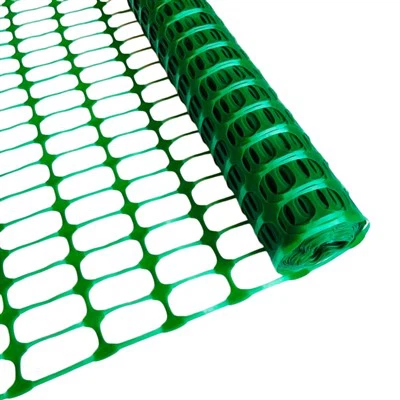
Underground warning mesh is a crucial component in safeguarding underground utilities and preventing accidental damage during excavation projects. As a supplier of underground warning mesh, I often receive inquiries from clients in cold climates, wondering if our product can withstand the harsh conditions. In this blog post, I will delve into the suitability of underground warning mesh in cold climates, exploring its materials, performance, and considerations for use. Underground Warning Mesh
Understanding the Challenges of Cold Climates
Cold climates present unique challenges for underground infrastructure. Freezing temperatures, snow, ice, and frost heave can all have a significant impact on the integrity and performance of underground warning mesh. When the ground freezes, it expands, which can cause the mesh to shift, stretch, or even break. Additionally, the constant freeze-thaw cycles can weaken the materials over time, reducing their effectiveness in providing a clear warning to excavators.
Materials Used in Underground Warning Mesh
The materials used in underground warning mesh play a crucial role in its ability to withstand cold climates. Most underground warning mesh is made from high-density polyethylene (HDPE), a durable and flexible plastic that is resistant to chemicals, UV rays, and moisture. HDPE has a low temperature brittleness point, which means it can remain flexible and tough even in extremely cold conditions.
Some underground warning mesh may also incorporate additives or reinforcements to enhance its performance in cold climates. For example, anti-static additives can prevent the buildup of static electricity, which can attract dust and debris and reduce the visibility of the mesh. Reinforcements such as fiberglass or nylon can increase the strength and durability of the mesh, making it more resistant to damage from freezing and thawing.
Performance of Underground Warning Mesh in Cold Climates
In general, underground warning mesh made from HDPE can perform well in cold climates. HDPE has excellent low-temperature flexibility, which allows it to bend and stretch without cracking or breaking. This flexibility is essential in cold climates, where the ground can expand and contract due to freezing and thawing.
However, it is important to note that the performance of underground warning mesh in cold climates can be affected by several factors, including the thickness of the mesh, the installation method, and the local climate conditions. Thicker mesh is generally more durable and resistant to damage than thinner mesh, so it may be a better choice for cold climates. Additionally, proper installation is crucial to ensure that the mesh is securely anchored and does not shift or move during freezing and thawing.
Considerations for Using Underground Warning Mesh in Cold Climates
When using underground warning mesh in cold climates, there are several considerations to keep in mind to ensure its effectiveness and longevity. Here are some tips to help you use underground warning mesh in cold climates:
- Choose the Right Mesh: Select a mesh that is specifically designed for use in cold climates. Look for mesh made from HDPE with a low temperature brittleness point and additives or reinforcements to enhance its performance.
- Install the Mesh Properly: Follow the manufacturer’s installation instructions carefully to ensure that the mesh is installed correctly. Use proper anchoring techniques to prevent the mesh from shifting or moving during freezing and thawing.
- Inspect the Mesh Regularly: Regularly inspect the mesh for signs of damage or wear. Look for cracks, tears, or other signs of deterioration, and replace the mesh if necessary.
- Protect the Mesh from the Elements: If possible, cover the mesh with a layer of soil or other protective material to prevent it from being exposed to the elements. This can help to extend the life of the mesh and reduce the risk of damage.
Conclusion
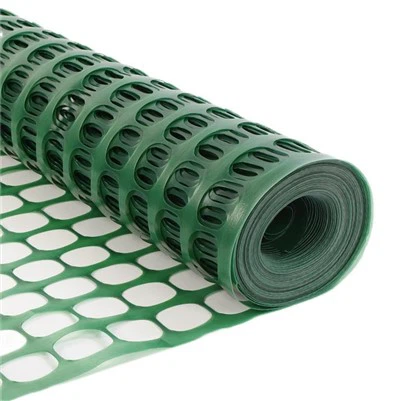
In conclusion, underground warning mesh can be used in cold climates, but it is important to choose the right mesh and install it properly to ensure its effectiveness and longevity. HDPE is a popular choice for underground warning mesh in cold climates due to its low temperature flexibility and resistance to chemicals, UV rays, and moisture. By following the tips outlined in this blog post, you can ensure that your underground warning mesh performs well in cold climates and provides a clear warning to excavators.
Temporary Snow Fence If you are interested in purchasing underground warning mesh for use in cold climates, please contact us to discuss your specific needs. Our team of experts can help you choose the right mesh for your project and provide you with the information and support you need to ensure a successful installation.
References
- ASTM D6270-15 Standard Specification for High-Density Polyethylene (HDPE) Geomembranes for Waste Containment
- ISO 4427-1:2016 Plastics — Polyethylene (PE) pipes for water supply — Part 1: General
- EN 13476-1:2009+A1:2012 Plastics piping systems for non-pressure underground drainage and sewerage — Structured-wall pipes and fittings made of polypropylene (PP), polyethylene (PE) or polyvinyl chloride (PVC-U) — Part 1: General
Shaoxing Yongte Plastics Co., Ltd.
We are one of the most reliable underground warning mesh manufacturers and suppliers in China, specialized in providing high quality customized products. We warmly welcome you to wholesale discount underground warning mesh for sale here from our factory. Contact us for pricelist and free sample.
Address: INDUSTRIAL PARK, LIZHU TOWN, KEQIAO DISTRICT, SHAOXING CITY, ZHEJIANG PROVINCE
E-mail: support@sxxyongte.com.cn
WebSite: https://www.fenceplastic.com/
