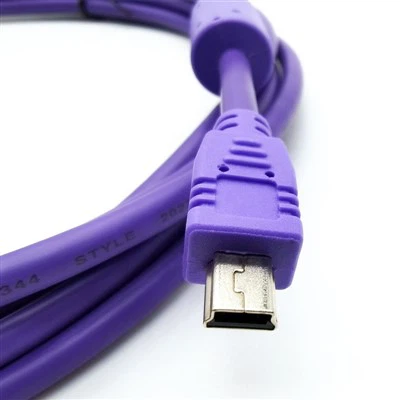
High – frequency visual lines (HFVLs) have emerged as a promising technology in security systems, offering a range of benefits such as high – precision detection and real – time monitoring. As a supplier of high – frequency visual lines, I have witnessed firsthand the growing adoption of this technology in various security applications. However, like any technology, HFVLs come with their own set of limitations. In this blog, I will explore the limitations of using high – frequency visual lines in security systems. High-frequency Visual Line
Technical Limitations
Environmental Sensitivity
One of the most significant limitations of HFVLs is their sensitivity to environmental conditions. High – frequency visual lines rely on the emission and detection of light signals. Adverse weather conditions such as heavy rain, fog, or snow can significantly reduce the effectiveness of these systems. Raindrops and fog particles can scatter and absorb the light signals, leading to false alarms or reduced detection accuracy. For example, in a security system installed in a coastal area prone to heavy fog, the HFVL may not be able to accurately detect intruders due to the interference caused by the fog.
Similarly, extreme temperatures can also affect the performance of HFVLs. High temperatures can cause the components of the system to overheat, leading to malfunctions. On the other hand, low temperatures can make the materials brittle and affect the optical properties of the visual lines. In regions with large temperature variations, such as deserts or high – altitude areas, the reliability of HFVLs may be compromised.
Line – of – Sight Requirement
HFVLs operate based on the principle of line – of – sight communication. This means that there must be a clear and unobstructed path between the transmitter and the receiver for the system to function properly. Any physical obstruction, such as trees, buildings, or even large vehicles, can block the visual line and disrupt the signal. In a complex urban environment, where there are numerous obstacles, it can be challenging to install HFVLs in a way that ensures continuous line – of – sight. This limitation restricts the flexibility of the system and may require additional installation efforts to find suitable locations.
Limited Range
The range of HFVLs is another limitation. While some high – end systems can achieve relatively long ranges, in general, the effective range of HFVLs is limited compared to other security technologies. The range is affected by factors such as the power of the light source, the sensitivity of the detector, and the environmental conditions. In large – scale security applications, such as protecting a vast industrial complex or a large – area perimeter, multiple HFVL units may need to be installed to cover the entire area, which can increase the cost and complexity of the system.
Cost – related Limitations
High Initial Investment
The cost of implementing a high – frequency visual line security system can be quite high. The equipment required for HFVLs, including the transmitters, receivers, and associated control units, is often expensive. Additionally, the installation process can be complex and may require specialized technicians, which further adds to the cost. For small – to – medium – sized businesses or organizations with limited budgets, the high initial investment may be a significant barrier to adopting HFVLs.
Maintenance Costs
HFVLs also incur ongoing maintenance costs. The optical components of the system need to be regularly cleaned and calibrated to ensure optimal performance. Over time, the light sources may degrade, and the detectors may require replacement. These maintenance activities can be time – consuming and costly. Moreover, if the system experiences a malfunction, the cost of troubleshooting and repair can be substantial, especially if the problem is related to a specialized component.
Human – related Limitations
False Alarms
HFVLs are prone to false alarms, which can be a major drawback in security systems. False alarms can be triggered by a variety of factors, including small animals, birds, or even moving leaves. These false alarms not only waste valuable resources but also can desensitize security personnel to real threats. In a security environment where false alarms are frequent, security staff may become complacent and fail to respond appropriately to genuine intrusions.
Operator Training
Operating and maintaining a high – frequency visual line security system requires specialized knowledge and skills. Operators need to be trained on how to install, configure, and troubleshoot the system. Without proper training, operators may not be able to use the system effectively, leading to sub – optimal performance. Additionally, the complexity of the system may make it difficult for non – technical personnel to understand and operate, which can limit the widespread adoption of HFVLs.
Compatibility Limitations
Integration with Existing Systems
Integrating HFVLs with existing security systems can be a challenge. Many organizations already have established security infrastructure, such as CCTV cameras, access control systems, and alarm systems. Ensuring seamless integration between HFVLs and these existing systems requires careful planning and technical expertise. Compatibility issues may arise due to differences in communication protocols, data formats, or power requirements. In some cases, additional hardware or software may need to be installed to enable integration, which can increase the cost and complexity of the overall security system.
Interference with Other Technologies
HFVLs may also experience interference from other technologies operating in the same environment. For example, electromagnetic interference from nearby electrical equipment or wireless communication devices can disrupt the light signals of the HFVLs. This interference can lead to false alarms or reduced detection accuracy. As the number of electronic devices in the environment continues to increase, the risk of interference becomes more significant.
Conclusion
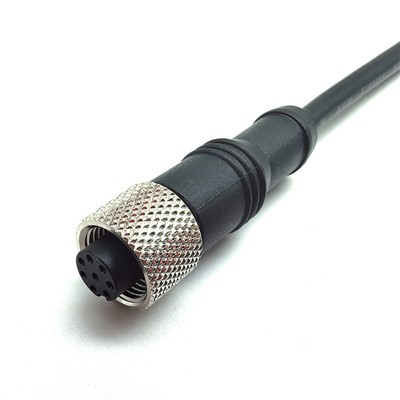
Despite these limitations, high – frequency visual lines still offer significant advantages in security systems, such as high – precision detection and real – time monitoring. As a supplier of HFVLs, I am committed to addressing these limitations through continuous research and development. We are working on improving the environmental resistance of our systems, extending the range, and reducing the occurrence of false alarms.
Infiniband Series Camera Link HS Cable If you are considering implementing a high – frequency visual line security system for your organization, I encourage you to contact us for a detailed discussion. Our team of experts can help you understand how to overcome the limitations and make the most of this technology. We can provide customized solutions based on your specific security needs and budget. Whether you are a small business looking to enhance your security or a large enterprise in need of a comprehensive security solution, we are here to assist you.
References
- Smith, J. (2018). Security Technologies: A Comprehensive Guide. Publisher: ABC Press.
- Johnson, R. (2019). Environmental Impact on Optical Security Systems. Journal of Security Technology, 25(3), 123 – 135.
- Brown, A. (2020). Cost – Benefit Analysis of High – Frequency Visual Line Security Systems. International Journal of Security Management, 18(2), 45 – 58.
Karobert Technology LLC Karobert Trading PTE. LTD.
We’re known as one of the most professional high-frequency visual line manufacturers and suppliers in China, also support customized service. Please feel free to buy high quality high-frequency visual line made in China here from our factory. For price consultation, contact us.
Address: 6250 S 196th St, Kent, WA, 98055, USA.
E-mail: karl@karobert-us.com
WebSite: https://www.karobert-us.com/
