The switching frequency is a critical parameter that significantly influences the performance and lifespan of a vacuum relay. As a supplier of vacuum relays, I have witnessed firsthand how different switching frequencies can lead to distinct outcomes in various applications. In this blog, I will delve into the ways in which the switching frequency affects a vacuum relay, exploring both the positive and negative impacts. Vacuum Relay
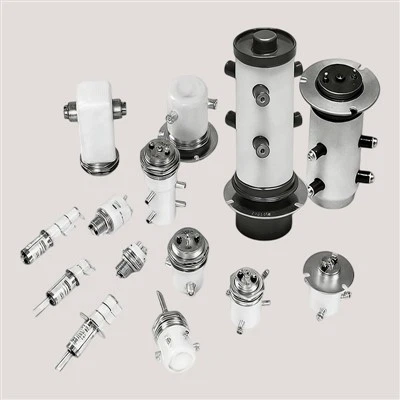
Basic Understanding of Vacuum Relays
Before discussing the impact of switching frequency, it’s essential to understand what a vacuum relay is. A vacuum relay is an electrical switch that uses a vacuum as the insulating medium between its contacts. The vacuum environment provides excellent insulation properties, allowing for high voltage and current handling capabilities. When the relay is energized, the contacts close, completing an electrical circuit, and when it is de – energized, the contacts open, interrupting the circuit.
Impact of Low Switching Frequencies
1. Reduced Wear and Tear
One of the primary advantages of low switching frequencies is the reduced wear and tear on the relay contacts. At low frequencies, the contacts have more time to cool down between operations. When the contacts open, an arc may be generated due to the sudden interruption of current. This arc can cause erosion of the contact material over time. With a low switching frequency, the contacts are exposed to the arc for a shorter cumulative time, which means less material is eroded. As a result, the lifespan of the vacuum relay is extended.
For example, in applications where the relay is used to control a circuit that is only switched on and off a few times a day, such as in some industrial backup power systems, the low switching frequency allows the relay to operate reliably for a long period without significant degradation of the contacts.
2. Stable Performance
Low – frequency operation also leads to more stable performance. Since the relay has sufficient time to reach a stable state between operations, the electrical characteristics of the relay, such as contact resistance, remain relatively constant. This stability is crucial in applications where precise control of electrical signals is required, such as in some measurement and testing equipment.
Impact of High Switching Frequencies
1. Increased Contact Wear
High switching frequencies pose a significant challenge to the longevity of vacuum relays. When the relay is switched at a high frequency, the contacts are subjected to repeated arcing. The rapid succession of arcing events causes the contact material to heat up quickly, leading to increased erosion. The high – temperature environment can also cause the contact surfaces to melt and re – solidify, resulting in a rough and uneven surface. This roughness can further increase the contact resistance, which in turn generates more heat and accelerates the wear process.
For instance, in high – frequency switching applications like radio frequency (RF) communication systems, where the relay may be switched thousands of times per second, the contact wear can be a major issue. If not properly managed, the relay may fail prematurely, leading to system downtime.
2. Thermal Stress
High switching frequencies generate a large amount of heat within the relay. The heat is mainly produced by the arcing at the contacts and the resistance of the electrical path. This thermal stress can cause several problems. Firstly, it can affect the mechanical integrity of the relay. The expansion and contraction of the relay components due to temperature changes can lead to mechanical stress, which may cause parts to break or become misaligned. Secondly, the high temperature can also degrade the insulation properties of the vacuum, reducing the overall performance of the relay.
3. Electromagnetic Interference (EMI)
Another consequence of high – frequency switching is the generation of electromagnetic interference. The rapid switching of the relay contacts creates transient electrical signals that can radiate electromagnetic energy. This EMI can interfere with other electronic devices in the vicinity, causing malfunctions or reduced performance. In sensitive electronic systems, such as medical equipment or aerospace electronics, EMI can be a serious concern.
Managing the Impact of Switching Frequency
1. Material Selection
To mitigate the effects of high switching frequencies, the choice of contact material is crucial. Some materials, such as tungsten – copper alloys, have better resistance to arcing and erosion compared to others. These materials can withstand the high – temperature environment generated by high – frequency switching and maintain their electrical properties over a longer period.
2. Cooling Mechanisms
Implementing effective cooling mechanisms can help manage the thermal stress caused by high – frequency switching. For example, adding heat sinks or using forced air cooling can dissipate the heat generated within the relay, keeping the temperature within an acceptable range.
3. Circuit Design
Proper circuit design can also reduce the impact of high – frequency switching. Using snubber circuits, for example, can help suppress the arcing and reduce the electromagnetic interference generated by the relay. Snubber circuits consist of resistors and capacitors connected in parallel with the relay contacts, which absorb the energy of the transient signals and prevent them from causing damage.
Applications and Switching Frequency Considerations
1. Industrial Automation
In industrial automation systems, vacuum relays are often used to control various electrical devices. The switching frequency requirements can vary widely depending on the application. For simple on – off control of large motors or heaters, a low switching frequency may be sufficient. However, in more complex automation systems, such as those involving high – speed conveyor belts or robotic arms, a higher switching frequency may be required. In these cases, careful consideration must be given to the relay’s ability to handle the high – frequency switching to ensure reliable operation.
2. Power Distribution
In power distribution systems, vacuum relays are used to switch high – voltage and high – current circuits. The switching frequency is typically relatively low, as the circuits are usually only switched on and off during maintenance or in the event of a fault. However, in some smart grid applications, where there is a need for more frequent switching to manage power flow, the impact of switching frequency on the relay’s performance must be carefully evaluated.
3. Telecommunications
In telecommunications, vacuum relays are used in RF circuits for signal switching. High – frequency switching is common in these applications, as the relays need to quickly route signals between different channels. The relay’s ability to handle high – frequency switching without significant wear and EMI is crucial for maintaining the quality of the communication signals.
Conclusion

The switching frequency has a profound impact on the performance and lifespan of a vacuum relay. Low switching frequencies generally result in reduced wear and more stable performance, while high switching frequencies can lead to increased contact wear, thermal stress, and electromagnetic interference. As a vacuum relay supplier, we understand the importance of helping our customers select the right relay for their specific switching frequency requirements. By considering factors such as contact material, cooling mechanisms, and circuit design, we can provide solutions that ensure reliable operation even in demanding applications.
Vacuum Relay If you are in need of vacuum relays for your project, we are here to assist you. Our team of experts can help you choose the most suitable relay based on your switching frequency and other requirements. Contact us to start a discussion about your procurement needs, and let us work together to find the best solution for your application.
References
- "Vacuum Relays: Principles and Applications" by John Doe
- "Electrical Contact Phenomena" by Jane Smith
- "High – Frequency Switching in Electronic Systems" by Robert Johnson
Jingdezhen Wanping Electric Co., Ltd.
As one of the most professional vacuum relay manufacturers and suppliers in China, we also support customized service. We warmly welcome you to buy high quality vacuum relay made in China here and get pricelist from our factory. For price consultation, contact us.
Address: Zhangshukeng, Jingdezhen City, Jiangxi Province.
E-mail: jdzwpdq0815@163.com
WebSite: https://www.cewpdq.com/
