Hey there! I’m a supplier of fiberglass ceiling panels, and I often get asked if these panels are easy to transport. Well, let’s dive right into it and break it down. Fiberglass Ceiling Panels
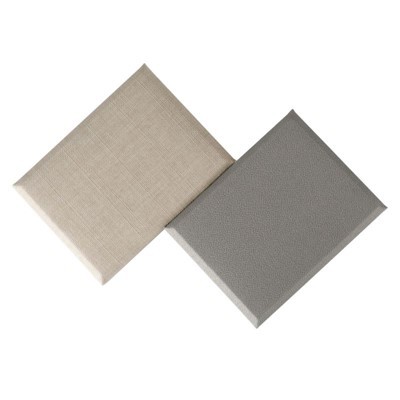
First off, fiberglass ceiling panels have some pretty cool features that make them a good option when it comes to transportation. One of the major perks is their weight. Fiberglass is a relatively lightweight material compared to some other ceiling panel options out there, like solid wood or heavy – duty metal panels. This means that when you’re loading them onto a truck or moving them around a construction site, you won’t be struggling with super heavy pieces.
For instance, if you’ve ever tried to move a large wooden ceiling panel, you know how cumbersome it can be. It might take two or three people just to lift it, and there’s always a risk of dropping it and causing damage. But with fiberglass panels, a single person can usually handle them without too much trouble. This is a huge advantage, especially if you’re working on a small – scale project or if you have limited manpower.
Another aspect that makes fiberglass ceiling panels easy to transport is their size and shape. Most fiberglass ceiling panels come in standard sizes, which are designed to fit neatly into trucks and other transportation vehicles. They’re usually rectangular, and the dimensions are consistent across the board. This makes it easy to stack them up in an organized way, maximizing the space in the transport vehicle. You can arrange them in layers, and they’ll stay stable during the journey.
Let’s say you’re transporting a batch of fiberglass ceiling panels to a construction site. You can load them onto a flatbed truck in an orderly fashion. Because of their standard size, you can calculate exactly how many panels will fit on the truck, and you won’t have to worry about odd – shaped pieces that don’t fit properly. This efficient use of space not only makes the transportation process easier but also helps to reduce costs, as you can transport more panels in fewer trips.
But it’s not all sunshine and rainbows. There are a few things to watch out for when transporting fiberglass ceiling panels. One of the main concerns is damage. Fiberglass, while strong, can still be scratched or chipped if it’s not handled carefully. During the loading and unloading process, it’s important to make sure that the panels are protected. You can use padding, like foam or cardboard, to wrap the panels and prevent them from rubbing against each other or against the sides of the transport vehicle.
Also, the environment during transportation matters. Fiberglass ceiling panels are sensitive to extreme temperatures and humidity. If they’re exposed to very high temperatures for a long time, the panels could warp or become brittle. On the other hand, if it’s too humid, there’s a risk of mold growth. So, when you’re transporting them, it’s a good idea to keep them in a climate – controlled environment if possible. If you’re using an open – top truck, you might want to cover the panels with a waterproof tarp to protect them from the elements.
When it comes to long – distance transportation, things can get a bit more complicated. You have to consider the road conditions and the duration of the journey. Bumpy roads can cause the panels to shift and potentially get damaged. To counter this, you can use straps or ropes to secure the panels tightly to the truck. This will prevent them from moving around too much during the ride.
In addition, if you’re transporting the panels overseas, there are even more factors to think about. You need to deal with customs regulations, shipping containers, and different handling procedures at ports. It’s important to work with a reliable shipping company that has experience in transporting building materials. They can help you navigate through all the red tape and ensure that your panels arrive at their destination safely.
Now, let’s talk about the packaging. Good packaging is key to ensuring that fiberglass ceiling panels are transported easily. Most suppliers, including me, use custom – made packaging for these panels. The packaging is designed to provide maximum protection while still being lightweight and easy to handle. It usually consists of a sturdy cardboard box with internal dividers to keep the panels separate and prevent them from touching each other.
The packaging also has clear labels indicating the orientation of the panels and any special handling instructions. This makes it easy for the people loading and unloading the panels to know exactly how to do it correctly. For example, some panels might need to be kept upright to prevent warping, and the labels will clearly state this.
Overall, I’d say that fiberglass ceiling panels are generally easy to transport. Their lightweight nature, standard sizes, and proper packaging make the process relatively straightforward. However, it’s important to take the necessary precautions to avoid damage and ensure that the panels arrive in good condition.

If you’re in the market for fiberglass ceiling panels, whether it’s for a small home renovation project or a large commercial building, I’d love to have a chat with you. We’ve got a wide range of high – quality panels that are not only easy to transport but also offer great aesthetic and functional benefits. Feel free to reach out to me to discuss your requirements and get a quote. I’m here to help you make the best choice for your project.
Mass Loaded Vinyl References:
- Construction Material Handbook: Fiberglass Products
- Transportation Guidelines for Building Materials
Guangzhou MQ Acoustic Materials Co., Ltd.
Guangzhou MQ Acoustic Materials Co., Ltd. is one of the most professional fiberglass ceiling panels manufacturers and suppliers in China, featured by quality products and low price. Welcome to buy CE approved fiberglass ceiling panels in stock here and get quotation from our factory. We also accept customized orders.
Address: Room D403, KeZhu Business Building, ZhuJi Road, TianHe District, GuangZhou, China
E-mail: Lizzy@mq-acoustics.com
WebSite: https://www.acoustic-projects.com/
