As a dedicated H Beam supplier deeply entrenched in the steel industry, I’ve witnessed firsthand the critical role that these structural components play across diverse construction projects. H Beams, known for their distinctive cross – section resembling the capital letter ‘H’, are revered for their high strength – to – weight ratio and excellent load – bearing capabilities. But have you ever wondered what materials go into making these essential building blocks? In this blog, I’ll delve into the various materials used to manufacture H Beams, shedding light on their properties, advantages, and applications. H Beam

Steel: The Premier Choice
Steel stands as the most widely used material for manufacturing H Beams, and for good reason. With its exceptional strength, durability, and versatility, steel provides the ideal combination of properties required for supporting heavy loads in construction.
Carbon Steel
Carbon steel is the backbone of H Beam production. It consists primarily of iron and carbon, with small amounts of other elements such as manganese, silicon, and sulfur. The carbon content in carbon steel typically ranges from 0.05% to 2.0%, and it greatly influences the material’s strength and hardness.
Low – carbon steel, with a carbon content of less than 0.3%, is known for its excellent ductility and weldability. This makes it easy to shape and form during the manufacturing process, and it can be easily joined to other components using common welding techniques. Low – carbon steel H Beams are often used in applications where moderate strength is required, such as residential construction and smaller commercial buildings.
Medium – carbon steel, with a carbon content between 0.3% and 0.6%, offers a good balance between strength and ductility. These H Beams are suitable for applications that demand higher levels of strength, such as bridges and industrial structures.
High – carbon steel, containing more than 0.6% carbon, has high strength and hardness but is less ductile. It is typically used in specialized applications where extreme strength is needed, like in the construction of high – rise buildings’ load – bearing structures or heavy – machinery frames.
Alloy Steel
Alloy steel is created by adding other elements, such as chromium, nickel, molybdenum, and vanadium, to the basic steel composition. These additional elements enhance the steel’s properties, providing improved strength, corrosion resistance, and heat resistance.
Chromium – nickel alloy steels, also known as stainless steels, are highly resistant to corrosion. This makes them an excellent choice for H Beams used in environments where they are exposed to moisture, chemicals, or harsh weather conditions. For example, they are commonly used in coastal construction projects, chemical plants, and food – processing facilities.
Molybdenum – based alloy steels offer increased strength at high temperatures. H Beams made from these steels are used in applications such as power plants and industrial furnaces, where the structures need to withstand extreme heat.
Other Materials
While steel is the dominant material for H Beam production, there are some alternative materials that can be used in certain niche applications.
Aluminum
Aluminum H Beams are lightweight and have good corrosion resistance. Their low weight makes them a suitable choice for applications where weight is a critical factor, such as in aerospace, automotive manufacturing, and some lightweight construction projects. Additionally, aluminum is a highly recyclable material, which aligns with the growing demand for sustainable building practices. However, aluminum H Beams have lower strength compared to steel H Beams, so they are typically used in applications that do not require extremely high load – bearing capacities.
Composite Materials
Composite materials are made by combining two or more different materials to create a new material with enhanced properties. For H Beams, fiber – reinforced polymers (FRPs) are a common type of composite material. FRP H Beams are made by embedding fibers, such as carbon or glass fibers, in a polymer matrix.
These beams offer high strength – to – weight ratios, better corrosion resistance than steel, and excellent fatigue resistance. They are also non – magnetic and electrically non – conductive, making them suitable for specialized applications like in electronic equipment manufacturing facilities or in areas where electromagnetic interference needs to be avoided. However, composite H Beams are relatively more expensive to produce and may have limited availability compared to steel or aluminum H Beams.
The Manufacturing Process and Material Selection
The choice of material for making H Beams is closely tied to the manufacturing process. The most common methods of manufacturing H Beams are hot – rolling and welding.
Hot – rolling is a widespread process for producing steel H Beams. In this process, a large steel billet is heated to a high temperature until it becomes malleable. It is then passed through a series of rolling mills to gradually shape it into the characteristic H – shaped cross – section. Carbon steel and some alloy steels are well – suited for hot – rolling due to their workability at high temperatures.
Welding is another method for manufacturing H Beams, especially for custom – sized or non – standard beams. In this process, individual steel plates are cut and welded together to form the H – shape. Welding allows for greater flexibility in terms of beam dimensions and can be used with different types of steel and other materials, such as aluminum.
When selecting the material for H Beams, various factors need to be considered, including the specific application requirements, the budget, and environmental conditions. For instance, in earthquake – prone areas, high – strength steel H Beams may be preferred due to their ability to withstand seismic forces. In corrosive environments, stainless steel or composite H Beams may be the better option.
Applications of Different Materials – Based H Beams
The type of material used in H Beams determines their suitability for different applications.
Steel H Beams, given their high strength and durability, are used in a wide variety of large – scale construction projects. They form the skeletal framework of high – rise buildings, providing structural support for the entire structure. In bridges, steel H Beams are essential for spanning long distances and carrying heavy traffic loads. Industrial buildings, such as factories and warehouses, also rely on steel H Beams to support large cranes and heavy equipment.
Aluminum H Beams find their niche in applications where weight reduction is crucial. In the aerospace industry, they are used in the construction of aircraft frames and components, helping to reduce the overall weight of the aircraft and improve fuel efficiency. In the automotive industry, aluminum H Beams can be used in the chassis to enhance vehicle performance and handling.
Composite H Beams are increasingly being used in infrastructure projects where durability and resistance to environmental factors are key. For example, they are being tested for use in bridge decks, where their corrosion resistance can significantly extend the lifespan of the bridge. In marine applications, their resistance to saltwater corrosion makes them a promising option for building docks and piers.
Conclusion
In conclusion, the materials used to make H Beams vary widely, each offering unique properties and advantages. Steel, with its various types such as carbon steel and alloy steel, remains the most popular choice due to its high strength, durability, and cost – effectiveness. Aluminum and composite materials, on the other hand, provide specialized solutions for applications where weight, corrosion resistance, or other specific properties are required.
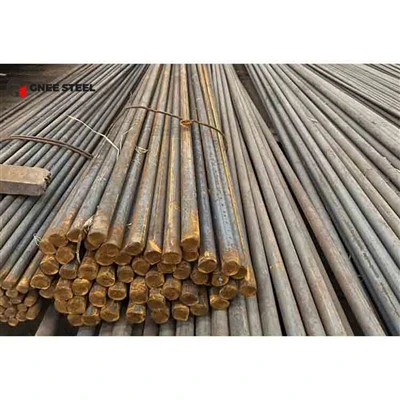
As a reliable H Beam supplier, I understand the importance of providing high – quality beams that meet the specific needs of your projects. Whether you are constructing a small residential building or a large – scale industrial complex, the right choice of material can make a significant difference in the performance and longevity of your structure.
Sheet Pile If you are in the process of planning a construction project and need high – quality H Beams, I’d be more than happy to discuss your requirements. Our team of experts can help you select the most suitable material for your specific application, ensuring that you get the best value for your investment. Don’t hesitate to reach out to us for a detailed consultation and to start the procurement process.
References
- ASTM International Standards for Structural Steel Shapes.
- ASME (American Society of Mechanical Engineers) Boiler and Pressure Vessel Code related to steel materials for construction.
- Journal of Constructional Steel Research for studies on different materials used in H Beam production.
Gnee Steel (Tianjin) Co., Ltd.
Gnee Steel (Tianjin) Co., Ltd. is one of the leading h beam manufacturers and suppliers in China. We warmly welcome you to buy high-grade h beam for sale here and get free sample from our factory. All customized products are with high quality and low price.
Address: No.4-1114, Beichen Building, Beicang Town, Beichen District, Tianjin, China.
E-mail: beam@gneesteel.com
WebSite: https://www.beams-steel.com/
