Yo, what’s up! I’m a guy running a Stud & Bolt supply business. One question I get a lot from my customers is, "How do I determine the correct pre – load for a stud?" It’s a crucial thing to figure out, and in this blog, I’m gonna share some tips on how to handle it. Stud&Bolt
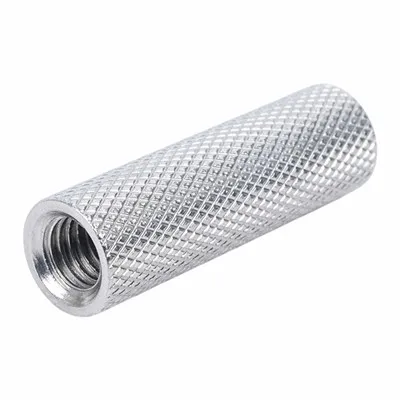
First off, let’s talk about why pre – load is so important. You can’t just slap a stud in there and call it a day. Pre – load is like the secret sauce that ensures your connection is strong and stable. When you’re tightening a stud, you’re creating a force that holds the parts together. This force helps resist external loads, like vibrations, shocks, or tensile forces. Without the right pre – load, you might end up with a loose connection, which can lead to all sorts of problems, from leaks in a piping system to failures in a mechanical structure.
Now, enough about why it matters. Let’s get into how you can determine the correct pre – load.
Material Properties
The first thing you gotta look at is the material of the stud. Different materials have different properties, and these properties play a big role in determining the pre – load. For example, steel studs and titanium studs have different strengths. Steel is generally strong and can handle a good amount of pre – load. Titanium, on the other hand, is lighter but also has a different yield strength.
You need to know the yield strength of the stud material. The yield strength is the point at which the material starts to deform permanently. You don’t want to go beyond this point when applying pre – load. Usually, you’ll want to aim for a pre – load that’s a percentage of the yield strength. A common rule of thumb is to use about 70 – 80% of the yield strength for most applications. But this can vary depending on the specific situation.
Let’s say you’re using a high – strength steel stud. You can find the yield strength in the material specifications. Once you know that number, you can calculate the pre – load based on that percentage. For example, if the yield strength of the steel is 800 MPa and you’re aiming for 75% of it, the pre – load stress would be 0.75 * 800 = 600 MPa.
Stud Size and Geometry
The size and shape of the stud also matter. A thicker stud can generally handle more pre – load than a thinner one. The thread pitch and diameter are important factors too. A finer thread pitch might require a different pre – load compared to a coarser one.
The length of the stud can affect the pre – load as well. Longer studs tend to be more flexible, which means they can stretch more under load. This flexibility can impact how much pre – load you can apply. You need to take into account the overall geometry of the stud when calculating the pre – load.
For example, if you have a short, thick stud, it might be able to handle a higher pre – load because it’s less flexible. But if you have a long, thin stud, you’ll need to be more cautious about how much pre – load you apply to avoid over – stretching it.
Application Requirements
Different applications have different requirements when it comes to pre – load. If you’re using studs in a high – vibration environment, like an engine, you’ll need a higher pre – load to keep everything in place. The vibrations can cause the stud to loosen over time, so a higher pre – load helps counteract that.
On the other hand, if you’re using studs in a low – stress application, like mounting a small piece of equipment, you might not need as much pre – load. You need to consider the type of load the stud will be subjected to, whether it’s static (like a constant weight) or dynamic (like vibrations or impacts).
Let’s take a look at a piping system. In a high – pressure piping system, the studs need to be tightened to a specific pre – load to prevent leaks. The pressure inside the pipes creates a force that tries to separate the flanges. The pre – load in the studs helps keep the flanges together and seals the joint. So, you’ll need to calculate the pre – load based on the pressure inside the pipes, the size of the flanges, and the number of studs.
Calculation Methods
There are a few different ways to calculate the pre – load. One of the most common methods is using torque. You can use a torque wrench to apply a specific amount of torque to the stud, which in turn creates the pre – load. The relationship between torque and pre – load is described by a formula:
T = K * D * F
Where T is the torque, K is the torque coefficient, D is the nominal diameter of the stud, and F is the pre – load force. The torque coefficient takes into account factors like the friction between the threads and the surface of the nut.
The torque coefficient can vary depending on a lot of things, like the surface finish of the stud and nut, the lubrication, and the type of thread. It’s usually best to refer to a manufacturer’s guidelines for the correct torque coefficient.
Another method is using the turn – of – the – nut method. Instead of relying on torque, you measure the rotation of the nut. This method is based on the fact that as you turn the nut, the stud stretches and creates the pre – load. You determine the number of degrees or turns of the nut based on the initial length of the stud and the desired pre – load.
There are also more advanced methods, like using strain gauges. Strain gauges can directly measure the amount of strain in the stud, which is related to the pre – load. This is a very accurate method but can be more expensive and complicated to use.
Testing and Verification
Once you’ve calculated and applied the pre – load, it’s a good idea to test and verify it. You can use a load cell to measure the actual pre – load in the stud. This can help you confirm that you’re in the right ballpark.
If you find that the pre – load is too low or too high, you can adjust it accordingly. You might need to re – tighten the stud or loosen it a bit. It’s important to make these adjustments carefully to ensure the integrity of the connection.
In some cases, you might also want to perform a fatigue test. This involves subjecting the stud to repeated loading to see how it holds up over time. Fatigue can be a major cause of stud failure, especially in high – cycle applications.
Our Role as a Stud & Bolt Supplier
As a Stud & Bolt supplier, we’re here to help you every step of the way. We have a wide range of studs and bolts in different materials, sizes, and grades. We can provide you with the technical specifications of the products, including the yield strength and other material properties.
If you’re not sure how to calculate the pre – load for a specific application, our team of experts can give you advice. We can help you choose the right stud for your needs and guide you through the calculation process. We also offer custom – made studs if you have special requirements.
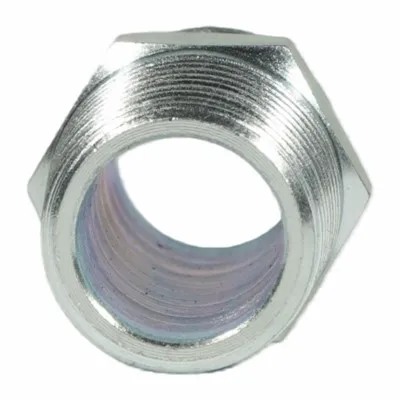
Whether you’re working on a small DIY project or a large industrial application, we’ve got your back. Our goal is to make sure you get the right products and the right pre – load for a successful connection.
Shaft If you’re in the market for studs and bolts, or if you have any questions about pre – load, don’t hesitate to reach out. We’re looking forward to having a chat with you and helping you with your procurement. Let’s work together to get your project up and running smoothly!
References
- Machinery’s Handbook, 31st Edition
- ASME Boiler and Pressure Vessel Code, Section VIII
- ASTM Standards for Fasteners
Kunshan Haizhijie Precision Hardware Co., Ltd.
As one of the most professional stud&bolt manufacturers and suppliers in China, we’re featured by quality products and good price. Please rest assured to buy customized stud&bolt made in China here from our factory. Also, pricelist is available.
Address: No. 367, Kangzhuang Road, Zhou City Town, Kunshan City, Jiangsu Province, China
E-mail: wzhshui@sina.com
WebSite: https://www.hzhjmetal.com/
