Yo, what’s up everyone! As a supplier of Fiberglass Tissue, I get a ton of questions from customers all the time. One of the most common ones is, "How long does Fiberglass Tissue last?" It’s a great question, and today, I’m gonna break it down for you. Fiberglass Tissue
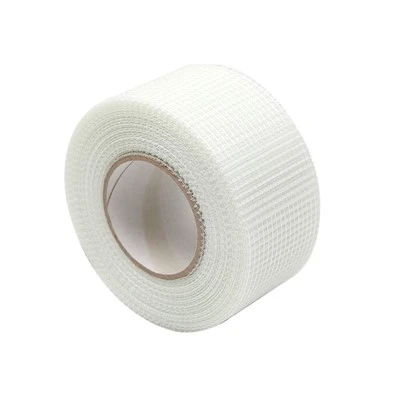
First off, let’s talk a bit about what Fiberglass Tissue is. It’s a super – thin sheet made from fiberglass strands. This stuff is used in a whole bunch of applications, like in the construction industry for roofing, in the automotive world for body parts, and even in some high – tech electronics. Because it’s used in so many different places, the lifespan can vary a whole lot.
Factors Affecting the Lifespan of Fiberglass Tissue
Environmental Conditions
The environment where the Fiberglass Tissue is used plays a huge role. If it’s exposed to harsh weather conditions, like extreme heat, cold, or lots of moisture, it’s gonna have a shorter lifespan. For example, in areas with high humidity, the tissue can start to degrade over time. Moisture can seep into the fiberglass strands and cause corrosion of any metal components that might be part of the setup. On the flip side, in a dry, climate – controlled environment, it can last a whole lot longer.
Let’s say you’re using Fiberglass Tissue for roofing in a place that gets a ton of rain and snow. The constant exposure to water and the freeze – thaw cycles can really take a toll on it. But if it’s used inside a building where the temperature and humidity are regulated, it can just sit there doing its job for years without any major issues.
Chemical Exposure
Another big factor is chemical exposure. If the Fiberglass Tissue comes into contact with certain chemicals, it can break down. For instance, some strong acids or alkalis can eat away at the fiberglass strands. In an industrial setting where there are chemicals floating around in the air or on surfaces, you gotta be extra careful. If the tissue is not properly protected, these chemicals can start to weaken it pretty quickly. But if it’s used in an environment where there’s no significant chemical exposure, it’s gonna be much more durable.
Installation Quality
You might not think about it, but how the Fiberglass Tissue is installed can also affect how long it lasts. If it’s installed incorrectly, there can be gaps or areas where it’s not properly secured. This can lead to problems like water getting in, which we already know is bad news for the tissue. A proper installation means making sure it’s tightly attached, the edges are sealed, and there are no wrinkles or folds that could cause weak spots.
Average Lifespan in Different Applications
Roofing
In the roofing industry, Fiberglass Tissue is often used as a layer in asphalt shingles. When installed correctly and in a relatively normal climate, it can last anywhere from 20 to 30 years. However, if you’re in an area with really extreme weather, like hurricanes or long, cold winters with heavy snow, this lifespan can be reduced. I’ve seen cases where shingles with Fiberglass Tissue in them lasted only 15 years because of the rough conditions.
Automotive Parts
When it comes to automotive parts, the lifespan is usually a bit shorter. This is because cars are constantly moving, vibrating, and exposed to all sorts of road conditions. Fiberglass Tissue used in car body parts, like bumpers or panels, can last around 10 to 15 years. But again, this can vary depending on how the car is driven and maintained. If a car is constantly in rough off – road conditions, the tissue might start to show signs of wear and tear much earlier.
Electronics
In electronics, Fiberglass Tissue is used as a substrate in printed circuit boards. Since it’s usually protected inside the device, it can last a long time. In a normal consumer electronic device, it can last for the entire lifespan of the product, which could be 10 years or more. However, if the device is exposed to high temperatures or electrical surges, it could potentially affect the integrity of the Fiberglass Tissue.
Tips to Extend the Lifespan of Fiberglass Tissue
Regular Inspections
For applications where the Fiberglass Tissue is exposed, like roofing or automotive parts, regular inspections are a must. You can look for any signs of damage, like cracks, tears, or discoloration. Catching these issues early can prevent them from getting worse and extending the lifespan of the tissue.
Proper Maintenance
Proper maintenance is also crucial. In the case of roofing, this could mean keeping the gutters clean so that water doesn’t pool on the roof. For automotive parts, it could mean regular cleaning and waxing to protect the surface.
Using Protective Coatings
Applying protective coatings can also help. These coatings can provide an extra layer of protection against environmental factors and chemical exposure. There are different types of coatings available, depending on the application.
Now, Let’s Talk Business!
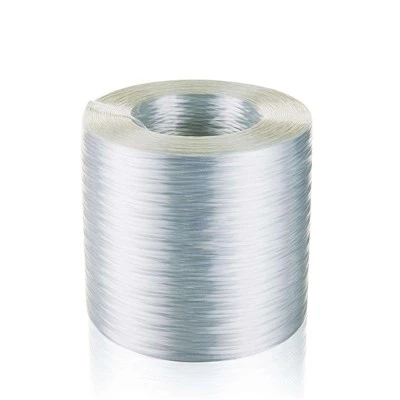
I hope this breakdown of how long Fiberglass Tissue lasts has been helpful to you. Whether you’re in the construction, automotive, or electronics industry, choosing the right Fiberglass Tissue can make a big difference. And that’s where I come in!
Fiberglass Tape As a Fiberglass Tissue supplier, I’ve got a wide range of products to suit different needs. We use high – quality materials and strict manufacturing processes to ensure that our Fiberglass Tissue is durable and reliable. If you’re in the market for Fiberglass Tissue or have any questions about its lifespan and how it can work for your specific application, don’t hesitate to reach out. We can have a chat, figure out what you need, and get you set up with the best product for your project.
References
- "Fiberglass Materials Handbook"
- "Roofing Technology and Applications"
- "Automotive Composite Materials and Their Applications"
- "Electronics Packaging and Substrate Materials"
Danyang Yonggu Building Materials Co., Ltd.
Danyang Yonggu Building Materials Co., Ltd. is one of the most professional fiberglass tissue manufacturers and suppliers in China, featured by quality products and good price. Please rest assured to wholesale customized fiberglass tissue made in China here from our factory.
Address: Danyang City, Jiangsu Province, P.R. China
E-mail: sales02@cnyongu.com
WebSite: https://www.ygfiberglass.com/
