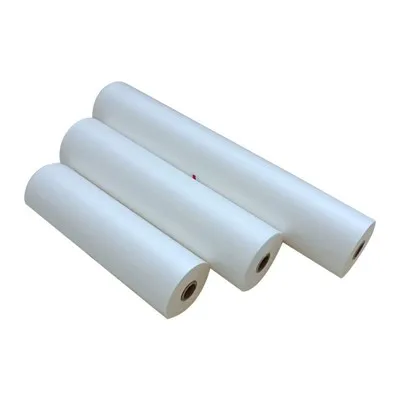
Soft touch laminating film has gained significant popularity in various industries due to its unique tactile feel and aesthetic appeal. As a supplier of soft touch laminating film, customers often ask me an interesting question: "Can I use soft touch laminating film on glass?" In this blog post, I will explore this question in detail, examining the feasibility, potential benefits, challenges, and best practices associated with using soft touch laminating film on glass. Soft Touch Laminating Film
Understanding Soft Touch Laminating Film
Before delving into the topic of using soft touch laminating film on glass, it’s essential to understand what soft touch laminating film is. Soft touch laminating film is a type of protective film with a velvety, smooth, and matte finish. It offers a luxurious and tactile experience, reducing fingerprints and smudges, and enhancing the overall appearance of the surface it covers. This film is commonly used in packaging, printing, and electronics industries to protect and enhance the visual appeal of products.
Feasibility of Using Soft Touch Laminating Film on Glass
The short answer is yes; you can use soft touch laminating film on glass. However, several factors need to be considered to ensure a successful application.
Adhesion
One of the primary concerns when using soft touch laminating film on glass is adhesion. Glass is a smooth and non – porous surface, which can make it challenging for the film to adhere properly. To address this issue, it’s crucial to choose a soft touch laminating film with a strong and appropriate adhesive. Some films are specifically designed for use on glass and other smooth surfaces, featuring adhesives that can form a strong bond without leaving residue when removed.
Compatibility
The soft touch laminating film must be compatible with the glass surface. This means that the film should not cause any chemical reactions or damage to the glass. Additionally, the film should be able to withstand the environmental conditions to which the glass is exposed, such as temperature changes and humidity.
Application Method
Proper application is key to achieving a good result when using soft touch laminating film on glass. The film should be applied in a clean and dust – free environment to prevent air bubbles and particles from getting trapped between the film and the glass. Specialized tools may be required to ensure a smooth and even application.
Potential Benefits of Using Soft Touch Laminating Film on Glass
Using soft touch laminating film on glass can offer several benefits.
Aesthetic Appeal
The soft touch finish of the film can transform the appearance of glass, giving it a more sophisticated and high – end look. It can add a unique texture and depth to the glass surface, making it stand out in various applications.
Protection
Soft touch laminating film provides protection to the glass surface. It can prevent scratches, scuffs, and abrasions, which are common issues with glass. Additionally, the film’s ability to reduce fingerprints and smudges can keep the glass looking clean and presentable for longer periods.
Privacy
In some cases, a soft touch laminating film can provide a degree of privacy. The matte finish of the film can obscure the view through the glass, making it suitable for use in areas where privacy is desired, such as office partitions or bathroom windows.
Challenges of Using Soft Touch Laminating Film on Glass
While there are many potential benefits, there are also some challenges to consider when using soft touch laminating film on glass.
Air Bubbles
As mentioned earlier, air bubbles can be a significant issue during the application process. Air bubbles trapped between the film and the glass can create an unsightly appearance and may even affect the adhesion of the film over time.
Wrinkles and Creases
It can be difficult to apply the film evenly on a glass surface without creating wrinkles or creases. This requires a high level of skill and patience during the application process.
Durability
The durability of the soft touch laminating film on glass can be a concern. Over time, the film may start to peel or wear off, especially if it is exposed to harsh environmental conditions or frequent contact.
Best Practices for Applying Soft Touch Laminating Film on Glass
To ensure a successful application of soft touch laminating film on glass, the following best practices should be followed.
Surface Preparation
The glass surface must be thoroughly cleaned and dried before applying the film. Use a mild glass cleaner and a lint – free cloth to remove any dirt, grease, or fingerprints. Make sure the surface is completely dry to prevent adhesion issues.
Measuring and Cutting
Measure the glass surface accurately and cut the soft touch laminating film to the appropriate size. Leave a small margin around the edges to allow for any adjustments during the application process.
Application Technique
Start by peeling off a small corner of the film’s backing paper. Carefully align the film with the glass surface and place it on one side of the glass. Use a squeegee or a similar tool to smooth out the film from the center towards the edges, gradually peeling off the backing paper as you go. This will help to remove air bubbles and ensure a smooth and even application.
Finishing Touches
Once the film is applied, use a heat gun on a low setting to remove any remaining air bubbles. Be careful not to overheat the film, as this can cause it to warp or damage the adhesive. Trim any excess film around the edges of the glass for a clean and professional look.
Case Studies and Applications
Soft touch laminating film on glass has found applications in various industries.
Interior Design
In interior design, soft touch laminated glass can be used for partitions, furniture panels, and decorative elements. The unique texture and appearance of the film can add a touch of elegance to any space.
Retail Displays
Retailers often use soft touch laminated glass for display cases and signage. The film’s ability to reduce fingerprints and enhance the visual appeal of products makes it an ideal choice for attracting customers.
Automotive Industry
In the automotive industry, soft touch laminated glass can be used for interior components such as dashboard panels and door inserts. The film provides a luxurious feel and protects the glass from scratches and wear.
Conclusion
In conclusion, it is possible to use soft touch laminating film on glass, and it can offer many benefits in terms of aesthetics, protection, and privacy. However, it is essential to consider factors such as adhesion, compatibility, and application method to ensure a successful outcome. By following the best practices outlined in this blog post, you can achieve a high – quality and long – lasting result.
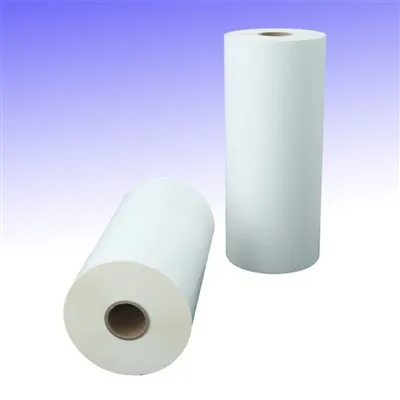
Digital Thermal Laminaton Film If you are interested in using soft touch laminating film on glass for your project or business, I encourage you to reach out. As a supplier of soft touch laminating film, I have the knowledge and experience to help you choose the right product and provide guidance on the application process. Let’s start a conversation and explore how soft touch laminating film can enhance your glass surfaces.
References
- "Laminating Films: Properties and Applications" – A comprehensive industry – reference book on laminating films.
- Numerous industry – specific trade magazines on packaging, printing, and interior design that have featured articles on soft touch laminating films.
Yantai Hongqing Packing Material Co., Ltd.
Yantai Hongqing Packing Material Co., Ltd. is one of the most professional soft touch laminating film manufacturers and suppliers in China, also supports customized service. Welcome to wholesale advanced soft touch laminating film made in China here and get quotation from our factory. Quality products and reasonable price are available.
Address: Eastern Industrial Park, Taocun, Yantai, Shandong Province, China
E-mail: cindy@ythongguang.cn
WebSite: https://www.hqingnewmat.com/
