If you’re in the construction, landscaping, or road maintenance game, you know walk-behind rollers aren’t just big metal boxes with wheels—they’re the workhorses that make or break how smooth a driveway turns out, how compact a base is before paving, or how solid a path stays year after year. As someone who’s supplied walk-behind rollers to guys with one-man landscaping crews, large road contracting outfits, and even small town public works departments for over a decade, I get asked all the time: “Which brand makes the best walk-behind rollers?” Walk-behind Roller

This isn’t a one-size-fits-all answer, either. What works for a guy compacting 1,000 sq ft of paver base in a residential backyard won’t cut it for a crew doing 5 miles of asphalt patchwork on a busy highway. I’ve tested, sold, and troubleshooted almost every major brand out there, so I’m gonna break this down like I would for a buddy over a coffee—no fancy jargon, no biased sales pitches, just real-world stuff.
First off, let’s get one thing straight: a good walk-behind roller doesn’t just “work”—it works for you. It doesn’t die on a job site mid-compact, it doesn’t weigh 500 lbs more than it needs to (making it a nightmare to haul in a pickup bed), and it doesn’t require a degree just to change the oil. After years of hearing horror stories from customers, I’ve narrowed down the brands that stand out, and the ones that are total money pits.
Let’s start with the brand that’s been my go-to for small to medium jobs the last 7 years: Wacker Neuson. Wait, I know what some of you are thinking—“they make big equipment, too, right?” Yeah, but their walk-behind rollers are where they actually nail the small details that matter. Let’s talk specs, but keep it real: their 1.5-ton double-drum roller is my most requested unit for residential compaction. Why? For starters, the drum weight is perfectly balanced—1,500 lbs of vibration that doesn’t bounce so hard you feel it up your arms after an hour of use. I’ve had customers tell me they’ve used Chinese-made rollers that leave “wave marks” in asphalt because the balance is off, but Wacker’s? Those waves are gone after one pass.
Another big plus for Wacker: serviceability. When a customer’s roller breaks on a job, they don’t wanna wait 3 days for a part to ship. Wacker parts are stocked at almost every equipment rental yard and local repair shop in the country, and you can change the water in the vibratory system (super important for preventing overheating) in like 10 minutes, no tools needed. I had a landscaping guy last month who used his Wacker roller to compact base for a 2,000 sq ft patio, and he told me he’d gone through three cheaper rollers in two years before he bought his. His Wacker’s still running strong. Yeah, they’re a few grand more upfront, but when you’re not dropping $1,200 a year on repairs for a junker, it pays for itself fast.
Now, if you’re on a tighter budget but still need something that doesn’t quit on you, let’s talk about Bomag. Bomag’s been around since like 1957, and they don’t mess around with cheap shortcuts. Their 0.8-ton single-drum roller is the best pick for guys doing small patch jobs or tight spaces—like when you’re compacting around a fence line or next to a house foundation where a big roller won’t fit. The single drum has a knurled surface that keeps it from sliding on wet asphalt or muddy base material, which is a game-changer when you’re working in bad weather. I’ve had a public works department in a small town buy 4 of these for their road crew, and they’ve put 800+ hours on each in 3 years. The only knock against Bomag is that for their top-tier units, parts can be a little pricier than Wacker, but again—they don’t break as often. For small to mid-sized jobs where maneuverability is key, Bomag’s hard to beat.
Wait, but what if you’re a big contracting company doing full-scale road paving, not just patio bases? Then you’re gonna want a roller that can handle 8-hour shifts, 5 days a week, no downtime. That’s where Dynapac comes in. Dynapac’s 3-ton double-drum roller is the workhorse of the commercial paving game. It has automatic vibration control that adjusts based on the material you’re compacting—so if you’re moving from dense gravel to soft asphalt, it doesn’t over-vibrate and waste fuel. I had a road contracting outfit out of Dallas buy 2 of these for their highway project last year, and they told me their old rollers were using 2 gallons of fuel an hour, while the Dynapacs use 1.2 gallons. That’s $200+ a week in fuel savings per machine. Also, the operator platform is spring-loaded, so you don’t feel every little bump in the road at the end of a 10-hour shift. I’ve seen other commercial brands where operators come in complaining of back pain after a week, but Dynapac keeps their crews happy. Yeah, they’re the priciest of the three, but for a company that’s running their rollers 250 days a year, downtime kills profits. Dynapac’s downtime is almost non-existent.
But hold up—let’s not pretend all brands are worth your time. I’ve had customers bring in no-name Chinese rollers that they bought on Amazon or a big box supply store, and let’s just say those are the ones I end up fixing for free after they burn out the engine in 6 months. Yeah, they’re cheap—like $3,000 for a roller that costs $8,000 for a Wacker—but when you have to replace it every year, that’s $15,000 over 3 years, vs $8,000 for a Wacker that lasts 10. It’s not even close. I had a guy last year who bought a no-name roller for a backyard job, and the vibratory unit died halfway through compacting a slab, so he had to rent a Wacker for the rest of the day and pay double. Total cost for that one job? More than if he’d just bought the Wacker to begin with.
Also, let’s talk about what you should actually look for when you’re shopping, not just the brand name. First, check the operating weight. A lot of people think “heavier is better,” but if you’re lifting it into a pickup bed by yourself (which most of my customers do), a 3-ton roller is impossible to move alone. Stick to 1-2 tons for residential work, 0.5-0.8 tons for tight patches. Second, check the vibration frequency. You want 3,000-4,000 vibrations per minute for asphalt, and lower (around 2,000) for gravel or base material. If a brand doesn’t specify that, walk away—they don’t know their product. Third, test drive it if you can. Go to a local yard, turn it on, feel the handle—does it vibrate so bad it hurts your hands after 5 minutes? That’s a red flag. Can you turn it tight without it tipping? That’s good.
Wait, and one thing a lot of suppliers don’t tell you: after-sales support. If you buy a roller from a brand that only sells through one big distributor in your state, and that distributor goes out of business, you’re stuck. All three of the brands I mentioned (Wacker, Bomag, Dynapac) have local reps in almost every state, plus online support for small issues. I’ve had a customer text me at 7 PM on a Friday with a minor oil leak on his Wacker roller, and I was able to tell him how to fix it in 10 minutes, no parts needed. That’s the kind of stuff that doesn’t show up in a spec sheet, but makes or breaks your job.
Now, I know some of you are gonna say “what about Caterpillar?” or “what about Case?” Yeah, those are big construction brands, but their walk-behind rollers are afterthoughts. Cat makes bulldozers that last forever, but their small rollers? They’re built for big fleets, not one-man crews. I had a customer who bought a Cat roller, and he told me the controls are so complicated he had to watch a 20-minute YouTube video just to start it. For a guy who just needs to compact a patio, that’s overkill. Stick to the brands that specialize in walk-behind rollers—they know exactly what you need.
At the end of the day, the “best” brand depends on what you’re using it for. If you’re a residential landscaper on a budget, go Wacker Neuson. If you’re a small town crew doing patch jobs, Bomag. If you’re a big contracting company doing road work, Dynapac. Don’t fall for the cheap no-name stuff—it’s not a deal, it’s a headache.
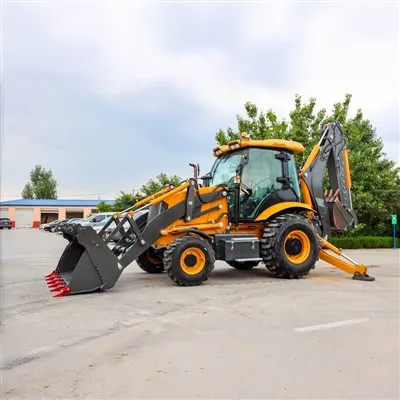
Loader If you’re looking to upgrade your walk-behind roller, or you’re just getting started and wanna get the right unit for your jobs, hit me up. I’ve got units in stock for every job type, and I can tell you exactly which one will fit your budget and your workflow. No pressure, just straight talk—like I said, I’ve been in this game long enough to know what works, and what doesn’t.
References
- Construction Equipment Guide. "Walk-Behind Rollers: Key Considerations for Compact Jobsites." 2022.
- Bomag Americas. "Product Line Overview: Walk-Behind Compactors." 2023.
- Dynapac North America. "Commercial Paving Compactor Efficiency Study." 2022.
- Wacker Neuson. "Walk-Behind Roller Durability and Serviceability Report." 2023.
- National Stone, Sand & Gravel Association. "Best Practices for Compact Equipment Use in Landscaping." 2021.
Jining Sunsail Machinery Co., Ltd.
With abundant experience, we are one of the most professional walk-behind roller manufacturers and suppliers in China. We warmly welcome you to buy high-grade walk-behind roller made in China here from our factory. For price consultation, contact us.
Address: Room 410, Digital Industry Building, Rencheng District, Jining City, Shandong Province,China
E-mail: Sunsail_machinery@163.com
WebSite: https://www.sunsailmachine.com/
